
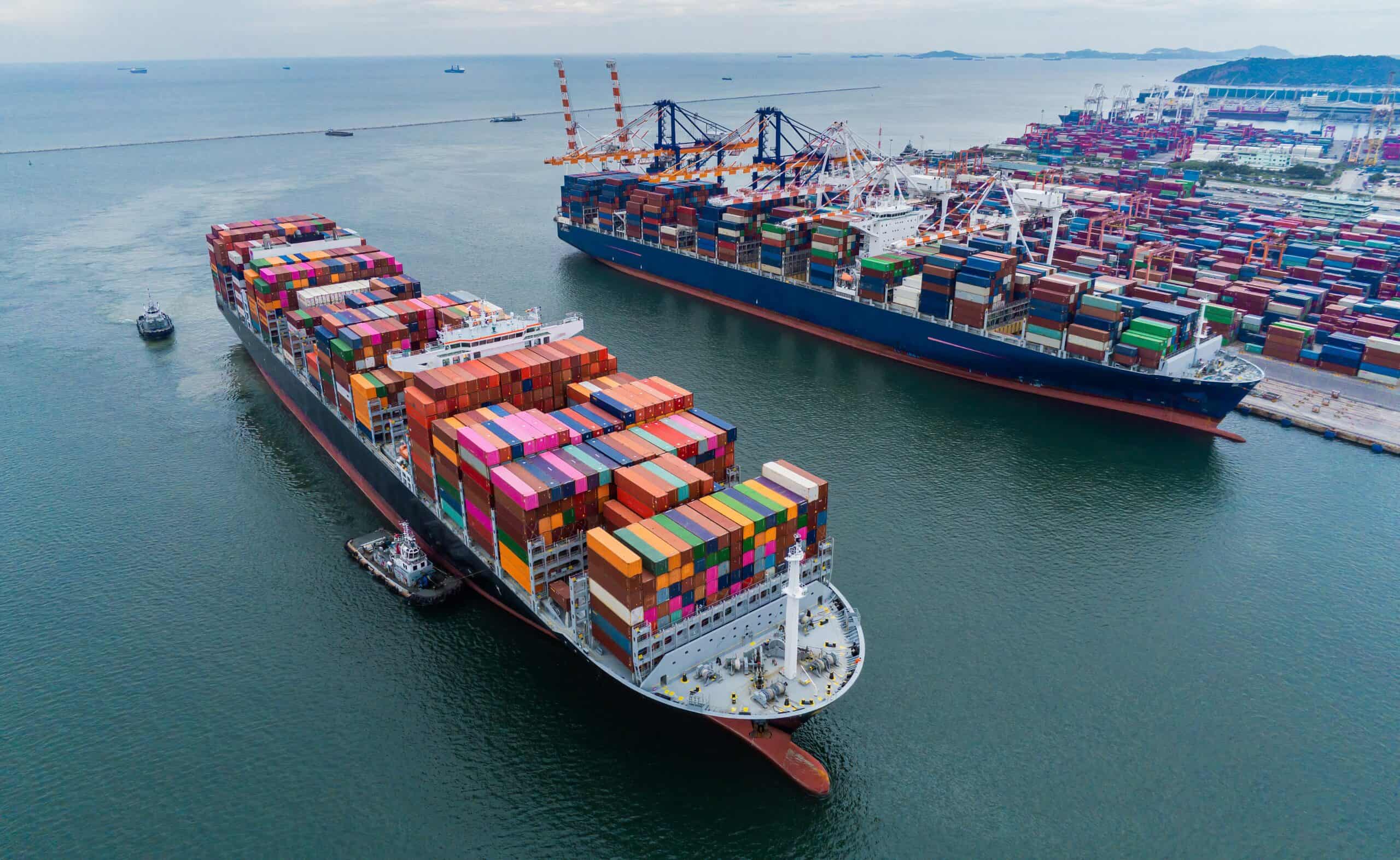
Tariffs Are Reshaping Fashion, But the Brands That Keep Hiring Will Come Out Ahead
- By The Fashion Network
- Feb 3, 2026
The tariff conversation in fashion right now is loud, and most of it sounds the same: costs are up, margins are squeezed, and everyone is waiting to see what happens next. We get it. The uncertainty is real. But at The Fashion Network, what we’re seeing on the ground tells a different story than the one dominating the headlines.
The brands that are winning right now aren’t the ones that froze hiring. They’re the ones that adjusted their hiring strategy to match the new reality. They’re bringing in people who can solve today’s problems, not just fill yesterday’s org chart. And they’re moving while their competitors are still sitting on their hands.
If your brand has been holding off on hiring because of tariff uncertainty, this is the case for rethinking that approach.
The Real Cost of Not Hiring During a Disruption
When the fashion industry faces a shock, the instinct is to pull back. Pause the searches, hold the headcount, wait for things to settle down. It feels like the safe move. But in practice, a hiring freeze during a period of disruption can cost you more than the disruption itself.
Here’s why. The challenges tariffs create don’t go away because you stopped hiring. Your supply chain still needs to be re-evaluated. Your margins still need protecting. Your sourcing strategy still needs someone with the expertise to navigate new cost structures. If you don’t have the right people in those seats, the problems compound. You lose time, you lose opportunities, and you fall behind brands that moved faster.
We’ve watched this pattern play out before. After the pandemic disrupted fashion’s supply chains, the brands that came back strongest were the ones that hired through the uncertainty. They brought in operations leaders who could rebuild sourcing relationships, sales directors who could pivot channel strategy, and design directors who could work within new constraints. The brands that waited had to play catch-up for months, often hiring the same roles later at a premium because the talent market had tightened.
Tariffs are creating the same dynamic. The disruption is real, but the answer isn’t to stop building your team. It’s to build it differently.
What “Hiring Differently” Actually Looks Like Right Now
Adjusting your hiring strategy for the current environment doesn’t mean hiring more people or spending more money. It means being intentional about where you invest in talent based on what your brand actually needs right now.
For many fashion brands, that means prioritizing roles that directly address the challenges tariffs have created. If your sourcing is concentrated in countries facing the highest tariff rates, you may need operations and production leadership with experience diversifying supply chains across multiple regions. If your margins are being squeezed, you may need a stronger finance leader who can model different scenarios and protect profitability across channels. If you’re rethinking your pricing strategy, you may need sales leadership that understands how to reposition product across wholesale, DTC, and marketplace channels without damaging brand perception.
None of these are new roles. They’re the same director-level and senior positions that fashion brands always need. But the profiles you’re looking for within those roles may have shifted. A Director of Operations who spent their career managing a single-country supply chain may not be the right fit anymore. A sales leader who’s only worked in one channel may not have the flexibility your brand needs as you rethink your go-to-market approach.
The brands getting this right are the ones being honest with themselves about what’s changed and hiring accordingly. They’re not posting the same job descriptions they had two years ago. They’re thinking about what skills and experience will matter most over the next twelve to twenty-four months and finding people who match that reality.
The Roles That Matter Most Right Now
While every brand’s situation is different, we’re seeing certain types of hires come up again and again in conversations with fashion companies navigating the current environment.
Operations and production leadership is at the top of the list. Brands that relied heavily on a small number of sourcing countries are now looking for leaders who can diversify their supply chain, build relationships with new manufacturing partners, and manage a more complex production network without sacrificing quality or timelines. This is skilled, specialized work, and the people who do it well are in high demand.
Sales leadership that can think across channels is another priority. Tariff-driven price increases are changing the math on where and how brands sell their product. Some brands are leaning harder into DTC to protect margins. Others are rethinking their wholesale strategy to focus on partners where they have the most pricing flexibility. The sales leaders who can navigate these shifts, and who understand the financial and relationship dynamics across multiple channels, are extremely valuable right now.
Design leadership that can work within tighter constraints is also increasingly important. When costs go up across the supply chain, the design team has to be part of the solution. That means working with new materials, adjusting product architecture to protect margins, and finding ways to maintain the brand’s creative standards while being smarter about how product gets made. The best Directors of Design have always done this, but it’s become a more prominent part of the job.
And finance leadership continues to be one of the most underappreciated hires in fashion. The brands that are navigating tariffs most effectively have strong finance teams that can model the impact of different tariff scenarios, identify where margin is leaking, and help leadership make informed decisions about pricing, sourcing, and investment. If you don’t have that capability in-house, it’s hard to make good strategic decisions in an environment this volatile.
Why Waiting for “Clarity” Is a Losing Strategy
One of the things we hear most from brands that have paused hiring is that they’re waiting for clarity on the tariff situation before making moves. We understand the impulse, but the truth is that clarity may not come anytime soon. Trade policy has been unpredictable, and even when specific tariff rates stabilize, the broader environment of trade uncertainty is likely to persist.
The brands that accept this reality and build teams capable of operating in an uncertain environment will outperform the ones that keep waiting for the dust to settle. Flexibility and adaptability aren’t just nice qualities in a candidate right now. They’re essential.
This is also a practical talent market consideration. When hiring freezes eventually lift across the industry, everyone will be competing for the same pool of experienced fashion professionals. The brands that kept hiring, even selectively, through the disruption will have already secured the best people. The brands that waited will be fighting over whoever is left, often paying more for less experienced candidates because the top talent was already taken.
We’ve seen this cycle enough times to know how it plays out. The window to hire great people is always more open when other companies are hesitating. That’s not a reason to hire recklessly. But it is a reason to be strategic and move when the right candidate is available, rather than putting every search on hold until the headlines change.
How to Hire Strategically in an Uncertain Market
If you’re ready to start hiring again, or if you never stopped but want to be smarter about it, here are a few principles that are working for the brands we’re partnering with right now.
First, focus on roles that address your biggest vulnerability. Look at where tariffs are hitting your business hardest and hire to fill that gap. If it’s sourcing, prioritize operations. If it’s margin, prioritize finance. If it’s revenue, prioritize sales leadership that can optimize your channel mix. Every hire should be connected to a real business need, not just a line on an org chart.
Second, look for candidates with experience navigating change. The fashion industry has been through multiple cycles of disruption over the past several years, from the pandemic to supply chain crises to the current tariff environment. The candidates who have lived through those moments and come out stronger are worth their weight in gold. Ask about how they’ve adapted, what they’ve learned, and how they’ve helped previous brands through challenging periods.
Third, don’t try to do it alone. Director-level fashion talent is hard to find in the best of times. In an uncertain market where the best candidates are being cautious about making moves, it’s even harder. A specialist recruiter with deep relationships in the industry can reach people your job posting never will and can help you evaluate candidates against the specific challenges your brand is facing right now.
And fourth, move quickly when you find the right person. In a market where everyone is being cautious, the brands that can make decisions efficiently have a real advantage. Great candidates don’t wait around, especially in a talent market where multiple brands are competing for experienced fashion professionals with the right skill sets.
Tariffs Change the Strategy, Not the Need
The bottom line is simple: tariffs have changed the fashion business, and they’ve changed what brands need from their teams. But they haven’t eliminated the need for talented leadership. If anything, they’ve made it more important.
The brands that will come out of this period in the strongest position are the ones that treated it as a moment to get smarter about talent, not a reason to stop investing in it. They adjusted their hiring profiles, moved on the right candidates when they found them, and built teams that could operate in complexity rather than waiting for simplicity that may never come.
At The Fashion Network, we’re helping brands do exactly that. We’ve been placing fashion leaders for over two decades, through good markets and tough ones, and we know that the brands that hire through disruption are the ones that lead on the other side of it.
Frequently Asked Questions About Hiring Fashion Talent During Tariff Uncertainty
Should fashion brands stop hiring because of tariffs?
No. Tariffs create real challenges, but pausing all hiring typically makes those challenges worse. The operational, financial, and strategic problems that tariffs create require experienced people to solve them. Brands that freeze hiring often fall behind competitors who continued to invest selectively in the right talent. The better approach is to adjust your hiring strategy to prioritize the roles that directly address your brand’s biggest tariff-related vulnerabilities.
What types of fashion roles are most important to fill right now?
The roles that matter most depend on where tariffs are hitting your business hardest. For many brands, operations and production leadership is the top priority, especially leaders with experience diversifying supply chains across multiple sourcing regions. Sales leadership that can optimize channel strategy, finance leadership that can protect margins and model tariff scenarios, and design leadership that can maintain creative standards within tighter cost constraints are all in high demand right now.
How are tariffs changing the candidate profiles fashion brands should look for?
Brands are increasingly prioritizing candidates who have experience navigating disruption and managing complexity. A Director of Operations who has diversified supply chains across multiple countries is more valuable now than one who has managed a single sourcing region. A sales leader who understands multiple channels and can adjust strategy quickly is more attractive than one with deep expertise in just one area. Flexibility and adaptability have become essential qualifications alongside technical skill and industry experience.
Is it harder to recruit fashion talent during a period of tariff uncertainty?
It can be, because strong candidates tend to be more cautious about making moves during uncertain times. Many experienced fashion professionals are weighing the risks of joining a new brand against the security of staying in their current role. This is one reason why working with a specialist fashion recruiter is especially valuable right now. A recruiter with established relationships can reach passive candidates who aren’t actively looking and can present the right opportunity in a way that addresses their concerns about market uncertainty.
How can fashion brands make sure they’re hiring for the right roles in the current environment?
Start by identifying where tariffs are creating the most pressure on your business. Is it supply chain costs? Margin compression? Channel strategy? Pricing? The roles you prioritize should be directly connected to those challenges. Avoid hiring based on an outdated org chart or a job description written before the tariff environment shifted. Be honest about what your brand needs right now and over the next one to two years, and hire to match that reality.
Why should fashion brands use a specialist recruiter during tariff disruption?
During uncertain times, the best candidates are harder to reach and more cautious about making moves. A specialist fashion recruiter with decades of industry relationships can access passive talent that job boards and LinkedIn posts won’t surface. They can also evaluate candidates against the specific challenges your brand faces in the current environment, including supply chain diversification, margin protection, and channel strategy, in ways that generalist recruiters can’t. At The Fashion Network, we’ve been helping brands hire through every kind of market disruption since 2001.
Are fashion brands actually hiring right now despite tariff concerns?
Yes. While some brands have slowed hiring, many are actively recruiting for roles that address the challenges tariffs have created. Operations leaders, finance executives, and sales directors with multi-channel experience are all in demand. The brands that are hiring strategically, focused on the roles that solve their most pressing problems, are positioning themselves to outperform competitors who pulled back entirely.
When is the best time to start hiring again after a hiring freeze?
The best time is before your competitors do. When hiring freezes lift across the industry, everyone competes for the same pool of experienced professionals, which drives up timelines and costs. Brands that resume hiring while others are still waiting have access to a wider talent pool, better candidates, and more leverage. If your brand has been on pause, starting with one or two strategic hires in your most vulnerable areas is a smart way to re-enter the market without overcommitting.
The Fashion Network has been placing leaders across fashion, retail, beauty, and DTC brands since 2001, through strong markets and challenging ones. If your brand is ready to hire smarter in the current environment, contact us to start the conversation.
More from our recruiters
Let us help you.
Tell us a little about who you are and what you need.
Prefer the phone? (212) 575-5898 · Mon–Fri, 9:00am–6:00pm ET