Textile Designer Hiring: 5 Key Mistakes
- By The Fashion Network
- Aug 11, 2026
Hiring a textile designer looks simple from the outside: find someone with a beautiful portfolio and let them make fabric. Inside a brand, it rarely works that way. The person you hire will create the prints, patterns, knits and wovens that every other team builds on, and they will spend as much time talking to mills and converters about repeats, color and strike-offs as they spend drawing. When the hire is wrong, it shows up in missed lab dips, rejected samples and a season that starts late.
At The Fashion Network, we have been recruiting for fashion and home brands in New York since 2001, and textile and print roles are some of the most misunderstood searches we see. Founders often write the job description as if they were hiring a general designer, then wonder why the candidates who look great on paper cannot hand a clean file to a mill. This post covers what the role really involves, the five mistakes we see most often, and how a better search runs.
Key Takeaways
- A textile designer creates the prints, knits, and wovens a collection is built on, and works directly with mills on strike-offs, color, and repeat.
- The most common mistake is hiring a textile designer on portfolio artwork alone, without testing repeats, color separations, and file prep.
- Decide whether your textile designer role is print, knit, woven, or all three before the search starts.
- Apparel and home textiles are different disciplines, so match experience to your category.
- At The Fashion Network, we present a short list of textile and print designers who have delivered at the mill, not a stack of resumes.
What a Textile Designer Actually Does
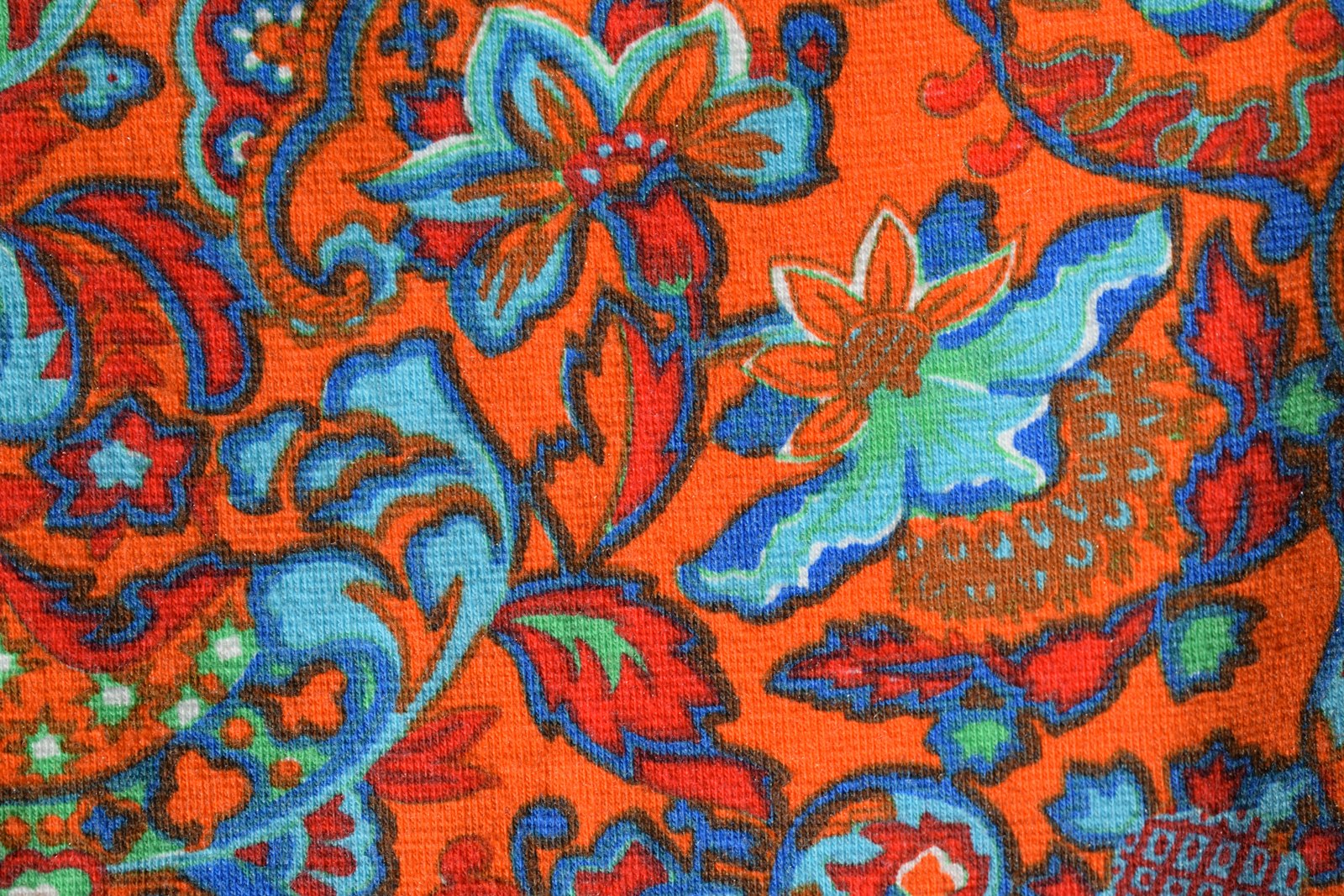
The job starts with the surface of the product. The role covers original prints and patterns, reworked archive and vintage artwork, colorways, and the structure of knits and wovens, from yarn-dyed stripes and plaids to jacquards and novelty textures. In many companies the same person, or a close partner, works as the print designer, painting motifs by hand or digitally and turning them into repeating artwork that can actually be printed at scale. The output is not a finished garment or a finished pillow. It is the fabric those products are made from.
The second half of the job is technical and far less visible. Artwork has to be put into repeat, whether straight, half-drop or tossed, sized correctly for the print method, and separated into a defined set of colors. Files move through Adobe Illustrator and Photoshop and often through textile CAD software, then out to mills and converters. The designer reviews strike-offs and lab dips, and adjusts scale and color until the fabric is approved for production. The Bureau of Labor Statistics treats fashion design as a broad field and notes how much of the work now happens in computer-aided design programs, especially on the fabric side.
Where the role sits depends on the business. At an apparel brand, the textile team feeds the design team and works on the calendar set by line reviews. At a home goods company, the fabric often is the product, so textile design drives bedding, rugs, upholstery and table linens directly. Private label and wholesale companies may need someone who can turn around many prints quickly for multiple retail customers, each with their own standards. The title is the same in all three settings, but the day-to-day work is very different. Getting that context right up front keeps a new hire from learning a category on your time.
The 5 Most Common Textile Designer Hiring Mistakes
Most failed searches for this role do not fail because the candidate lacked talent. They fail because the brand did not define the work clearly or tested the wrong skills. Each one is avoidable once you know what to look for, and most of them trace back to a job description written before anyone agreed on what the role needed to deliver. These are the patterns we see again and again.
Mistake 1: Confusing Textile and Print Talent With Apparel Designers
An apparel designer thinks in silhouettes, fit, trims and how a line comes together on the rack. A textile or print specialist thinks in motifs, scale, repeat, hand feel and how color behaves on a given base cloth. There is overlap, and some people do both well, but they are different careers. When a brand posts one job that asks for full garment design plus original print development plus fabric sourcing, it usually attracts generalists who are strong in one area and thin in the others. If you need both skill sets, decide which one matters most and hire for that first.
Mistake 2: Hiring on Portfolio Artwork Without Testing File Prep
A portfolio shows taste. It does not show whether the artwork will print. We see candidates with stunning painted florals who struggle to put a design into a clean repeat, reduce it to a workable number of colors, or build separations a mill can use without redrawing. Ask to see working files, not just finished boards. Look at layers, color reduction, repeat setup and how they label colorways. A short practical exercise, such as taking an existing motif into repeat in two colorways, tells you more than another hour of conversation. Fluency in Illustrator, Photoshop and the textile CAD tools your vendors use is not optional.
Mistake 3: Ignoring Mill and Strike-Off Experience
Design work only becomes product after it survives the mill. A candidate who has never commented on a strike-off, approved a lab dip under a light box or pushed back on a converter about scale shift will need a lot of support. Ask specific questions: which mills or converters they have worked with, what print methods they know (rotary, screen, digital, discharge), how they handle color that reads differently on cotton versus polyester, and what they do when another round of strike-offs still is not right. People who have done this work answer in detail. People who have not tend to talk about inspiration.
Mistake 4: Mismatching Apparel and Home Textiles Experience
Apparel and home textiles share tools but not priorities. Apparel prints are scaled for the body, live on a seasonal calendar and often have to work across many garment types. Home textiles are scaled for a bed, a sofa or a window, need to hold up to wear, washing and light, and often follow different testing and performance standards. Designers who move between the two can be excellent, but they need time to adjust their sense of scale and durability. If your product is upholstery or bedding, someone whose entire background is swimwear prints is a real stretch, no matter how strong the artwork looks.
Mistake 5: Not Defining Print, Knit, Woven or All Three
“Textile” covers a lot of ground. A print specialist works on surface artwork. A knit designer works on stitch structure, gauge and yarn. A woven designer works on weave structure, yarn-dyed patterns and jacquard setups. Very few people are expert in all three, and the ones who are tend to be senior. Before you start a search, write down which fabrics actually drive your line, which ones you develop in-house versus buy from a mill’s collection, and where the new hire will spend most of their week. That single page will sharpen every interview and keep you from rejecting good candidates for skills you never needed.
What a Better Textile Designer Search Looks Like
A better search starts with a clear brief. That means naming the categories (apparel, swim, accessories, home, or a mix), the fabric types (print, knit, woven), the market level from moderate to luxury, the software your team and vendors already use, and how much mill contact the role will carry. It also means being honest about the reporting line. A designer who reports to a creative director needs different strengths than one who reports to a product development or sourcing lead. If the role will also manage a CAD artist or an assistant, say so up front.
Next, test the right things in the right order. Review the portfolio for taste and point of view, then look at working files for technical discipline, then talk through real production problems: a strike-off that came back too dark, a repeat that showed a visible line, a customer who wanted a print recolored for a different base. Strong candidates explain what went wrong and what they changed. If technical specs and fit are also part of the picture, our guide to technical designer hiring covers how that role connects to fabric development.
Finally, keep the list short. Interviewing many loosely matched people wastes your design director’s time and often leads to a compromise hire. A handful of candidates who fit the brief on category, fabric type and technical skill will give you a real decision. The goal is not volume. It is a choice between people who could all do the job on day one. A tight list also respects the candidates, who are often employed, valued by their current brand and weighing a move carefully.
How We Approach Textile Designer Hiring at The Fashion Network
At The Fashion Network, each search is led by the owner from start to finish. There are no junior recruiters and no hand-offs, so the person who takes your brief is the same person who screens portfolios, reviews working files and talks to candidates about their mill experience. We have recruited across apparel, textiles, swim, accessories, private label, wholesale, home goods and luxury for 25 years, and that range matters here because the right hire for a bedding company and the right hire for a contemporary women’s brand are rarely the same person. You can read more about our work in this space on our textiles recruiting page.
What you receive is a short list, not a stack of resumes. We only present qualified candidates, which in this role means people whose file prep, fabric knowledge and production experience match what you actually need, not just people with attractive artwork. We recruit from assistant to VP, so the same approach works whether you need a junior print artist to support a busy studio or a head of textiles to build a department. When a brand realizes the opening is really a garment role, we handle that too, and our apparel designer recruiting page explains how that search differs.
Our model is contingency based. You pay when we place, with no retainer and no upfront fee, and a guarantee stands behind every placement. We work with small and independent brands as well as larger companies, from the moderate market to luxury. We are based in New York City and recruit nationwide, with markets in Los Angeles, Miami, Chicago and Fort Lauderdale. If you are new to working with a recruiter, our overview of how fashion recruitment agencies work walks through the process from first call to accepted offer.
Frequently Asked Questions
What does a textile designer do?
A textile designer creates the fabrics that apparel, accessories and home products are made from. That includes original prints and patterns, colorways, and the structure of knits and wovens. The role is also technical: putting artwork into repeat, separating colors, preparing files in Adobe and textile CAD programs, and working with mills and converters on strike-offs and lab dips until the fabric is approved for production. In smaller companies the same person often handles print development and fabric sourcing, while larger brands may split those tasks across a team.
Print designer vs apparel designer: what is the difference?
A print specialist creates surface artwork: motifs, patterns, repeats and colorways that are printed onto fabric. An apparel designer creates the garment itself: silhouette, fit, construction, trims and how pieces work together in a collection. The two roles collaborate closely, and some people can do both, but the skill sets are different. Print work depends on scale, color reduction and file prep for mills. Garment design depends on pattern, fit and line building. Brands that hire one person to do both often end up with strength in one area and gaps in the other.
What skills should a textile designer have?
The essentials are a strong eye for color and pattern, fluency in Adobe Illustrator and Photoshop, and working knowledge of textile CAD software. Beyond that, a good textile designer can put artwork into a clean repeat, reduce colors for a given print method, and prepare separations a mill can use. They should understand base fabrics, print methods and how color shifts between them. Mill and converter experience, including commenting on strike-offs and approving lab dips, is what separates candidates who can design from candidates who can deliver production-ready fabric.
How do you hire for textile design at a small brand?
Start by defining the work precisely: which categories, which fabric types (print, knit, woven), and how much mill contact the role carries. Small brands usually need someone who is both creative and technically self-sufficient, because there may be no separate CAD artist or fabric sourcing team to catch problems. Review working files, not just portfolio boards, and ask about real production issues the candidate has solved. A specialist recruiter who knows textile design can screen for those skills before you spend time interviewing, so you meet only people who fit.
What red flags should you watch for when hiring a print designer?
Watch for portfolios that show only finished boards with no working files, vague answers about repeats and color separations, and no specific mills, converters or print methods named. Be cautious if a candidate cannot describe a strike-off that went wrong and how they fixed it. Another red flag is a background that does not match your product, such as only apparel prints when you make upholstery. Finally, be wary of candidates who describe their work entirely in terms of inspiration and trend, with little detail about how the artwork actually reached production.
More from our recruiters
Let us help you.
Tell us a little about who you are and what you need.
Prefer the phone? (212) 575-5898 · Mon–Fri, 9:00am–6:00pm ET