
Product Development Manager Hiring: 5 Key Mistakes
- By The Fashion Network
- Sep 22, 2026
A product development manager is the person who turns a design idea into a product your company can actually make, sell and profit from. They sit between the design studio and the production team, and they own the messy middle: samples, costing, materials, vendors and the calendar that holds it all together. When that seat is filled well, styles arrive at production complete, approved and on cost. When it is filled poorly, the problems surface late, usually as a missed delivery or a margin that disappeared somewhere between the sketch and the purchase order.
At The Fashion Network, we have recruited for fashion and consumer product companies in New York since 2001, and development roles are among the searches founders most often underestimate. The title looks familiar, so the job description gets written quickly, and the brand ends up interviewing designers, production planners or buyers who are close to the role but not in it. This post explains what the job really covers, the five hiring mistakes we see most, and what a better search looks like from the hiring side, written for the founder or executive who will own the decision.
Key Takeaways
- A product development manager turns a design concept into a production-ready style, owning samples, costing, materials, vendors, and the calendar between design and production.
- Treating the role as design support or as production attracts the wrong candidates, because the developer’s job is the bridge that makes concepts buildable and costed.
- Test real costing experience by having candidates walk through a cost sheet they built, and weigh private label versus own-brand experience honestly.
- Probe calendar management and vendor follow-up, and match the category, since a product development manager in apparel, beauty, or home goods does very different work.
- At The Fashion Network, we keep every development search owner-led with no hand-offs and present a short list of qualified candidates, with a guarantee behind every placement.
What a Product Development Manager Actually Does
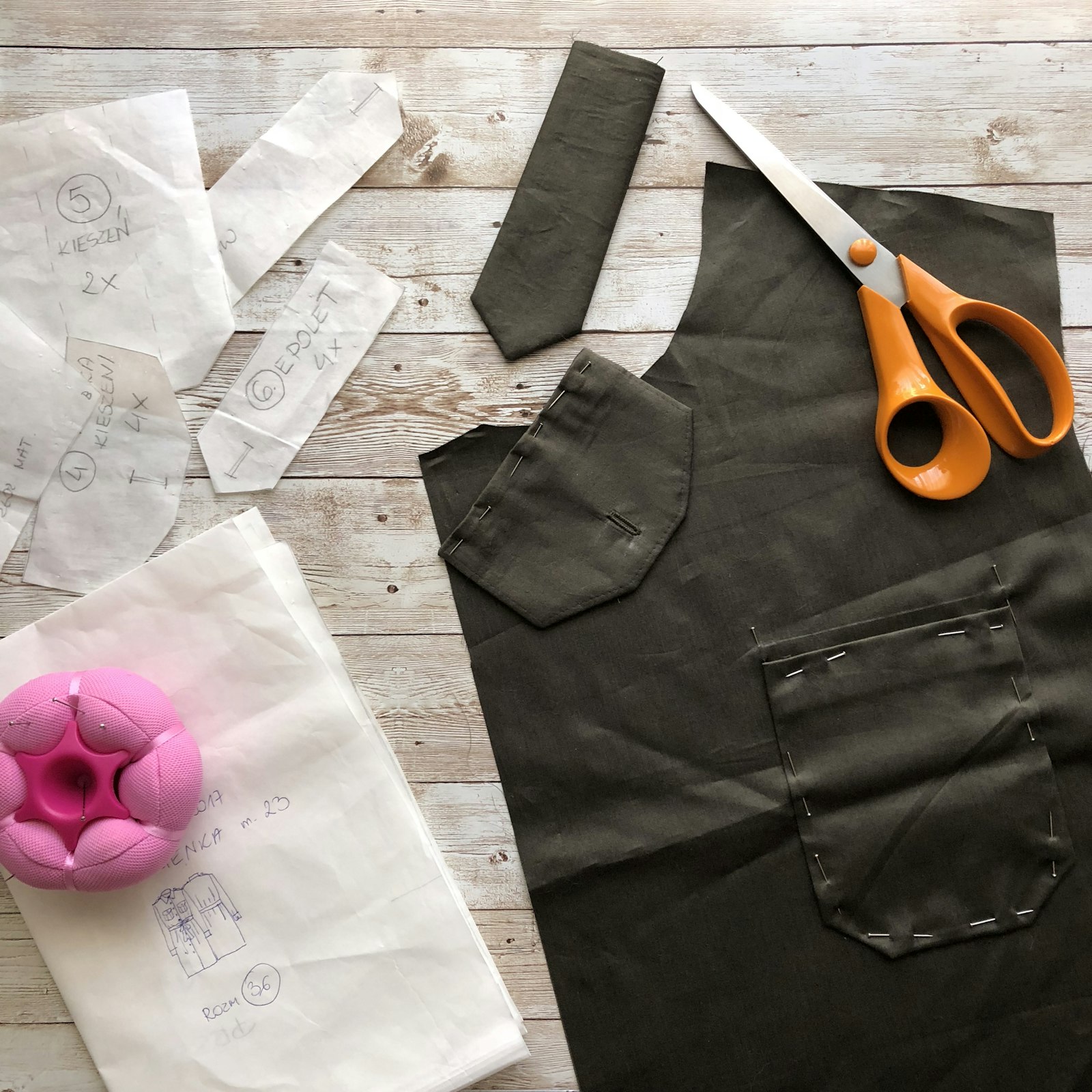
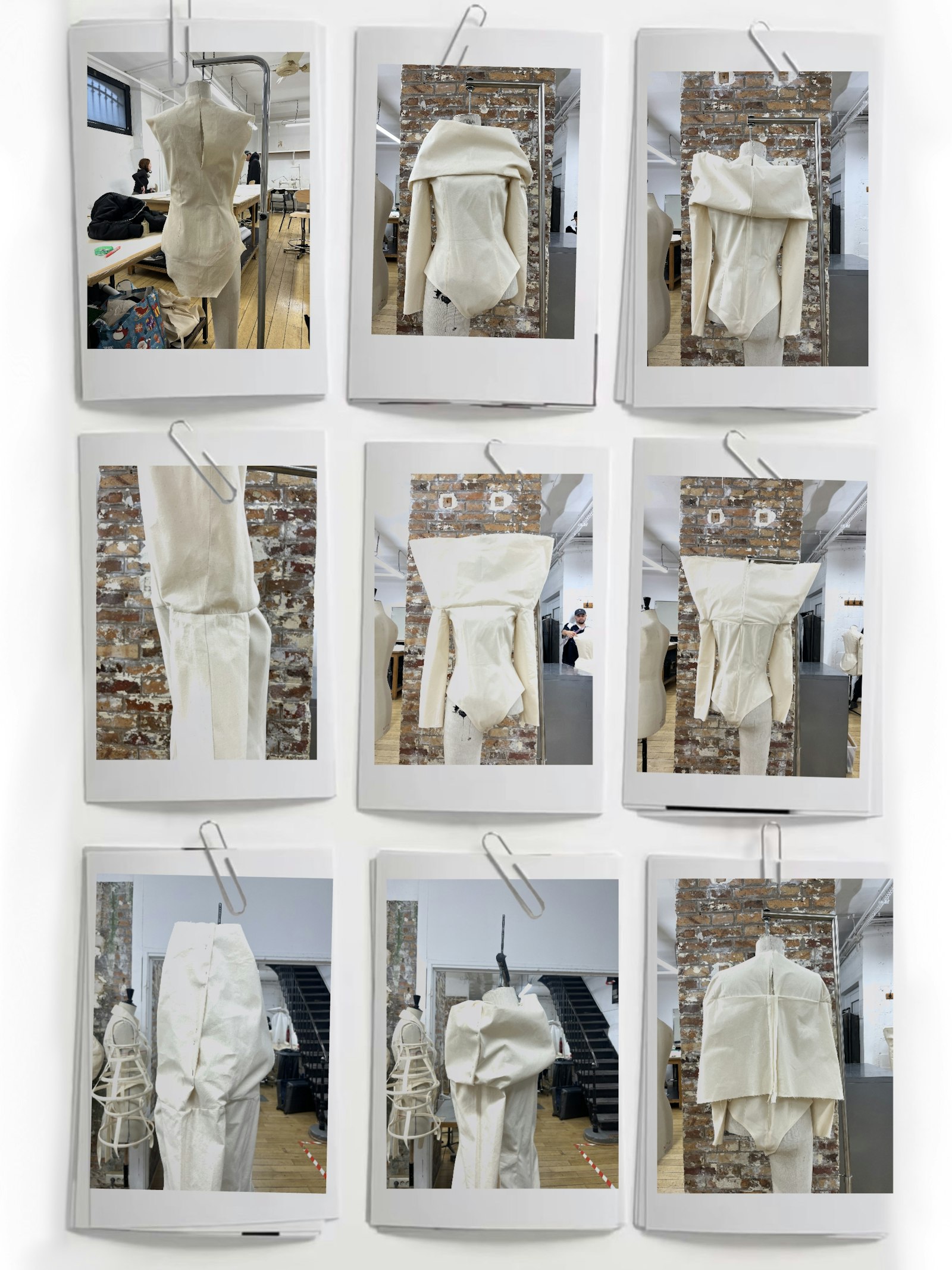
The work starts when design hands over a concept: a sketch, a tech pack in progress, a reference sample or a mood board with a target price attached. From there, the development team is responsible for getting that concept into a physical sample and refining it round by round. In apparel that usually means a proto sample to check the idea, fit samples to dial in measurements and construction, and salesman samples (SMS) for line showings and the sales team. Each round brings comments, corrections and new requests to vendors, and someone has to keep every style moving at once.
Alongside the samples runs the money. A strong developer builds or reviews cost sheets, breaks a style into fabric, trims, labor, duty and freight, and negotiates with vendors to land on the target cost the business needs. They source and approve materials and trims, and they develop new vendors when the existing base cannot deliver a fabric, a finish or a price. Just as important, they know when to push a factory on cost and when to change the product instead, swapping a trim or simplifying a construction so the style can still sell at the planned retail.
The finish line is a production-ready style: approved sample, final cost, confirmed materials and complete specs, handed to the production team to place orders and manage the factory. The Bureau of Labor Statistics describes production management as coordinating the people, schedules and resources that turn plans into finished goods, and development is the stage that gives production a plan worth executing. In private label, the role develops to a retailer’s brief and price. In beauty and consumer products, the same discipline applies to formulas, packaging and components instead of fabric and fit, and the vendor list includes labs, fillers and component suppliers.
The 5 Most Common Product Development Manager Hiring Mistakes
Most development hires that do not work out looked fine on paper. The candidate had real experience, just not the experience the company actually needed. The gap usually traces back to how the role was defined and what the interviews tested. These are the five patterns we see most often when founders and executives come to us after a search has stalled or a hire has not worked out. Each one is avoidable, and most can be caught before the first interview if the company is clear about what it needs this person to own and how it plans to test for it.
Mistake 1: Treating the Role as Design or as Production
Development borrows from both of its neighbors, which is why it gets confused with each of them. A designer creates the concept and protects the creative intent. A production manager places orders, manages factory capacity and gets bulk out the door. The developer’s job is the bridge: making the concept buildable, costed and approved before production ever sees it. When a company writes the role as design support, it attracts candidates who want to sketch. When it writes the role as production, it attracts people whose strength begins after the purchase order. Our post on production manager hiring covers that neighboring role in detail.
Mistake 2: Hiring Without Real Costing Experience
Many candidates can talk about cost. Fewer have owned it. Ask a candidate to walk through a cost sheet they built: where the fabric consumption came from, how they handled duty and freight, what the first factory quote looked like and how they got it to target. Someone who has done the work will describe specific trade-offs, such as changing a fabric weight, removing a lining or consolidating trims across styles. Someone who has only received finished cost sheets from another team will stay general. Without costing skill, a strong line can reach production with margins that do not work, and by then every fix is expensive.
Mistake 3: Ignoring Private Label Versus Own-Brand Experience
Developing for your own brand and developing for a retail customer are different jobs. In own-brand work, the internal design team sets the direction and the developer protects it. In private label, the retailer’s brief, standards and price point set the rules, and the developer has to deliver many options quickly, respond to buyer comments and hold cost while the customer changes direction. Both backgrounds are valuable. A candidate who has spent a career on one side may struggle on the other, especially in how they communicate with a customer who is also the final decision maker. Ask which side their experience comes from, and weigh it honestly.
Mistake 4: Not Testing Calendar Management and Vendor Follow-Up
The development calendar is the spine of the season. Proto, fit and SMS deadlines are fixed by line reviews and market dates, and every late sample pushes something else down the line. Yet many interviews never test how a candidate manages it. Ask how they track open samples across vendors, what their follow-up routine looks like, how they escalate when a factory goes quiet, and what they do when one late fabric threatens an entire delivery. Ask for a real example of a calendar that slipped and how they recovered it. Strong developers answer with a system, not a personality trait.
Mistake 5: Mismatching the Product Category
A product development manager in apparel, one in beauty and one in home goods share a title and not much else. Apparel development revolves around fabric, fit and construction. Beauty development revolves around formulas, packaging, components, compatibility testing and close coordination with labs and suppliers. Home goods brings its own materials, testing standards and packaging demands, and accessories and swim each add their own wrinkles. Transferable skills are real, especially calendar management and vendor negotiation, but category knowledge is what lets a new hire contribute without a steep learning curve. Hire across categories only when you have decided the ramp is worth it.
What a Better Product Development Search Looks Like
A better search starts with a clear definition of the seat. Before any outreach, decide where the role sits between design and production, which categories it covers, whether the work is own-brand, private label or both, and who owns costing. Decide which parts of the calendar this person will run, which vendors they inherit and who they report to. A job description built on those answers attracts the right people and screens out the near misses before anyone spends time interviewing them. It also gives your design and production leads a shared picture of what the new hire will and will not own.
Next, the interview should test the work, not just the resume. Ask candidates to walk through a real style from concept to handoff: the samples, the comments, the cost changes, the vendor conversations and what they would do differently next time. Have them talk through a cost sheet line by line. Ask how they would structure your development calendar around your line review and market dates. If you can, include the design lead and the production lead in the process, since this person will work between them constantly and both sides need confidence in the hire.
Finally, look at fit with your stage and size of business. A developer from a large company may be used to deep teams, dedicated costing support and an established vendor base. At a smaller or independent brand, the same person may need to source new factories, build cost sheets from scratch and manage samples personally. Neither profile is better in general, but one will be better for you. Be honest about which environment you are offering, and look for candidates who have succeeded in something similar. That honesty also helps the right candidates say yes with confidence.
How We Approach Product Development Hiring at The Fashion Network
At The Fashion Network, every search is led by the owner from start to finish. There are no junior recruiters and no hand-offs, so the person who learns your business in the first conversation is the same person who screens candidates, presents the short list and works through the offer with you. For development roles, that continuity matters. The details that separate a good product development manager from the right one, such as costing depth, category background and private label or own-brand experience, are easy to lose when a search passes between people.
We recruit development talent from assistant to VP across apparel, textiles, swim, accessories, private label, wholesale, beauty, home goods, consumer products, retail, e-commerce and luxury. We present only qualified candidates, so you receive a short list, not a stack of resumes. Because development sits between two neighboring roles, we often help clients think through the whole team. Our guide to technical designer hiring covers the fit and spec side, and the production manager post linked above covers what happens after handoff. Seeing all three roles side by side often clarifies where one job ends and the next begins.
Our model is contingency based: you pay when we place. There is no retainer and no upfront fee, and a guarantee stands behind every placement. We are based in New York City and recruit nationwide, and we work with small and independent brands as well as larger companies, from the moderate market to luxury. If you are planning a development hire, we are glad to talk through the role with you before the job description is written, so the search starts with the right definition of the seat and the right people see it.
Frequently Asked Questions About Product Development Manager Hiring
What does a product development manager do in fashion?
A product development manager turns design concepts into production-ready products. In fashion, that means managing proto, fit and salesman samples, building cost sheets and negotiating to a target cost, sourcing materials and trims, developing and following up with vendors, and running the development calendar so every style hits its line review and market dates. The role ends with a handoff: an approved sample, final cost and complete specs passed to the production team. In private label, the same work is done to a retailer’s brief and price rather than to an internal design direction.
What is the difference between a product developer and a designer?
A designer creates the concept: the silhouette, the color story, the trend direction and the creative intent of a line. A product developer takes that concept and makes it real, working with vendors on samples, solving construction and material problems, and bringing the style in at a cost the business can sell. Designers decide what the product should be. Developers figure out how it can be made, by whom and at what price. In smaller companies one person may cover some of both, but the skill sets are different and are best hired for separately.
Product development vs. production: who owns what?
Development owns everything before the order. That includes sampling, fitting, costing, materials approval, vendor selection and the development calendar. Production owns everything after: placing purchase orders, booking factory capacity, tracking bulk fabric and trims, managing quality and getting finished goods delivered on time. The handoff point is a production-ready style with an approved sample, final cost and complete specs. Problems usually appear when that handoff is blurry, for example when production inherits styles that are still changing, or when development keeps renegotiating after orders have been placed. Clear ownership on both sides protects cost and delivery.
What skills should a product developer have?
The core skills are costing, calendar management and vendor management. A strong product development manager can build and defend a cost sheet, negotiate toward a target cost without damaging the product, track many samples across many vendors and follow up until each one lands. They need solid materials and construction knowledge for their category, clear written communication for sample comments, and the judgment to know when to push a vendor and when to change the design. For private label roles, add customer communication. For beauty, add packaging and component expertise.
What are red flags when hiring a product development manager?
Watch for candidates who describe development only in creative terms and cannot walk through a cost sheet in detail. Be cautious when someone has never managed a calendar personally or has always relied on another team to chase vendors. Vague answers about factories, materials or sample rounds usually point to limited hands-on experience. Another red flag is a candidate who blames vendors for every missed date without explaining what they changed. Finally, check the category and business model: own-brand experience does not automatically transfer to private label, and apparel does not automatically transfer to beauty.
More from our recruiters
Let us help you.
Tell us a little about who you are and what you need.
Prefer the phone? (212) 575-5898 · Mon–Fri, 9:00am–6:00pm ET