
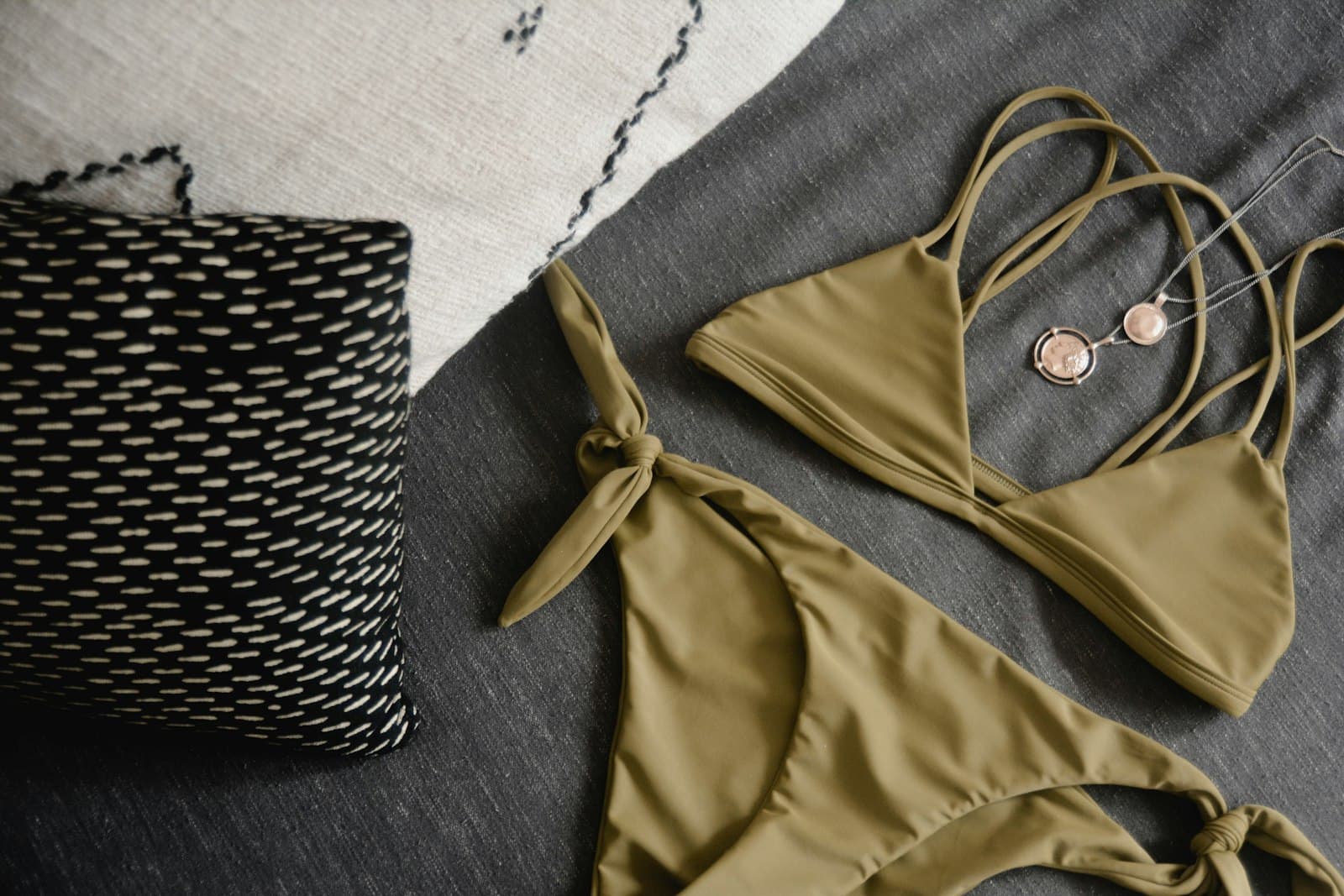
Swimwear Designer Hiring: 5 Key Mistakes
- By The Fashion Network
- Oct 6, 2026
Hiring a swimwear designer looks simple from the outside, right up until the first fit session shows a suit that twists at the seams, sags when wet, or loses its recovery after the first wash test. Swim is one of the most technical categories in apparel. A strong portfolio of dresses or knit tops does not prove that someone can build a suit that performs in chlorine, salt, and sun. The wrong hire usually surfaces late, when the line is already committed to factories and the selling window is closing, which is exactly when a brand can least afford to start over.
At The Fashion Network, we have recruited for fashion brands since 2001, and we treat swim searches with extra care because the margin for error is so small. Below, we cover what the role actually involves, the five hiring mistakes we see most often, and what a better search looks like. This guide is written for founders and executives who need to get the hire right the first time, whether they run an independent swim label or a larger company adding swim to an existing apparel business.
Key Takeaways
- A swimwear designer owns the concept and development of a swim and resort collection, engineering garments with little ease that must perform both wet and dry.
- Hiring a ready-to-wear designer for swim is the most common mistake, because swim forgives almost nothing on negative ease, stretch, and elastic tension.
- Look past print artwork to the technical side, including tech packs, fit comments, and how candidates handle grading in stretch fabrics across a size range.
- A strong swimwear designer knows components and trims, and their luxury resort, contemporary, or private label background should match the way your business actually sells.
- At The Fashion Network, we have the owner lead every swim search from start to finish and present only a short list of qualified candidates.
What a Swimwear Designer Actually Does
A swim designer owns the concept and development of a swim and resort collection, from trend direction and print strategy through sketches, tech packs, and fit approvals. On paper that sounds like any design role, and the Bureau of Labor Statistics overview of fashion designers describes the broader profession in similar terms: researching trends, sketching, selecting fabrics, and working with production teams. What changes in swim is how much of the job is engineering. The designer is building garments with very little ease, in fabrics that stretch in more than one direction, and every style has to perform both wet and dry.
In practice, that means real fluency in nylon and spandex blends, polyester performance knits, and the recycled versions that many brands now ask for. It means knowing when a lining should be self fabric or a power mesh, how elastic tension should change from leg opening to neckline to strap, and how molded cups, foam inserts, rings, sliders, and clasps get specified and sourced. It also means understanding chlorine resistance, salt and sunscreen exposure, colorfastness, and pilling, because a suit that fades or bags out by midseason quickly becomes a returns problem and a reputation problem.
The calendar is its own discipline. Swim lives on compressed seasonal windows, with cruise and resort deliveries and the main summer selling season leaving little room to fix a missed fit or a late print. A strong swim designer works closely with factories that specialize in swim, because general cut and sew vendors often lack the machinery and know-how for flatlock seams, coverstitch finishes, and bonded edges. The designer has to speak that factory’s language, review pre-production samples with a critical eye, and catch problems before they turn into bulk.

The 5 Most Common Swimwear Designer Hiring Mistakes
Most failed swim hires are not the result of a weak candidate. They come from a mismatch between what the role really requires and what the hiring team evaluated. A hiring manager sees a talented designer, a strong interview, and a portfolio full of color, and the technical gaps stay hidden until the first round of samples comes back from the factory. By then, the cost is measured in missed deliveries, reworked patterns, and a season that has to be rescued. These are the five patterns we see most often when brands come to us after a search has gone sideways.
Mistake 1: Hiring a Ready-to-Wear Designer for Swim
This is the most common mistake we see, and it usually comes from good intentions. A talented ready-to-wear or knit designer has a great eye, a polished portfolio, and a resume full of respected categories, so the hire feels safe. But swimwear design is a different discipline. Woven and relaxed knit garments forgive a lot through ease, drape, and seam allowance. Swim forgives almost nothing. A designer who has never managed negative ease, multi-directional stretch, or elastic tension across a size run will spend the season learning on your production calendar, and those lessons tend to show up as fit failures in bulk.
Mistake 2: Judging Candidates on Print Artwork Alone
Swim is a print-heavy category, and a beautiful print portfolio is very persuasive in an interview. The problem is that artwork is only one part of the job, and on many swim teams it is shared with a print designer or an outside studio. A candidate can produce stunning florals and geometrics and still have no idea how a print will distort when the fabric stretches, how placement shifts across sizes, or how a pattern lands on a molded cup or across a seam. Ask to see the technical side: tech packs, fit comments, and the corrections they made between first sample and approved production.
Mistake 3: Ignoring Fit and Grading Experience in Stretch
Grading a stretch garment is not the same as grading a woven one. Fabric power, recovery, and elastic ratios all change how a suit fits from the smallest size to the largest, and extended size ranges add another layer of complexity. Many brands assume the technical design team will handle all of this, but in smaller swim companies the designer often owns fit directly or works in close partnership with a single technical designer. If your team is thin on technical support, read our guide to technical designer hiring before you finalize the job description, because the two roles have to fit together.
Mistake 4: Overlooking Component and Trim Knowledge
Swim lives and dies on components. Hardware has to resist corrosion from salt and chlorine. Elastics have to hold their tension through repeated wear and washing. Molded cups, foam, boning, and adjustable straps have to be specified correctly and sourced from suppliers who can deliver on schedule and in the right colors. A candidate who has never built a trim library, approved hardware finishes, or worked through a cup sourcing problem will lean heavily on vendors to fill the gaps. That can work at a large company with deep support. At a small or independent brand, it usually means delays, substitutions, and margin you did not plan to lose.
Mistake 5: Mismatching Luxury Resort, Contemporary, and Private Label Experience
Luxury resort, contemporary swim, and private label swim are three different jobs that happen to share a title. A luxury resort designer is used to elevated fabrics, intricate hardware, coordinated cover-ups and resort ready-to-wear, and a more editorial point of view. A contemporary designer balances trend against price and moves quickly from concept to sample. A private label designer works to retailer specs, cost targets, and approval cycles, often across several accounts at once. Each background is valuable, but dropping one into another without a plan creates friction. Match the candidate’s market experience to the way your business actually sells.
What a Better Swimwear Designer Search Looks Like
A better search starts before anyone posts a job. Define what the role really owns: concept and print direction, technical development, fit, factory communication, or all of the above. Be specific about your market level, your price architecture, your size range, and the factories you already use. A founder who can say “we need someone who has developed molded cup styles for contemporary swim and managed overseas swim vendors” will get a far stronger short list than one who asks for “someone creative with swim experience.” The clearer the brief, the easier it is to rule people out early.
Next, evaluate the work the way your factory will. Portfolios should include tech packs, spec sheets, fit photos, and examples of construction details such as linings, elastic finishes, and bonded edges. Ask candidates to walk through a style that went wrong and explain how they fixed it. Strong swim talent can describe in plain terms why a seam failed, why a print distorted, or why a hardware finish tarnished in testing. Weaker candidates tend to talk mostly about mood boards and inspiration. Both matter, but only one of them protects your production calendar and your margins.
Finally, think about where the role sits and how the hire lines up with your product calendar. Swim talent tends to cluster around the markets where swim and resort are designed, sold, and worn, so a search that only looks locally can miss the right person entirely. Plan the hire so the new designer can get oriented before the next cruise or summer line goes into development, rather than inheriting a late collection in the middle of the season. Aligning the start with the product calendar is one of the simplest ways to protect that first season.

How We Approach Swimwear Designer Hiring at The Fashion Network
At The Fashion Network, every search is led by the owner from start to finish. There are no junior recruiters and no hand-offs, so the person who learns your brand, your factories, and your market level is the same person who screens every candidate. We have spent 25 years recruiting across apparel, including swim and intimates, and we know the difference between a designer who has sketched swim and one who has actually developed it. You get a short list, not a stack of resumes, and we only present candidates who are qualified for the role.
We are based in New York City and recruit nationwide, and for swim and resort brands that reach matters. Miami and Fort Lauderdale are natural swim and resort markets, with talent that understands warm weather product, resort calendars, and the realities of designing for sun, salt, and pool. We also recruit in Los Angeles and Chicago, and we connect brands with candidates who are open to relocating for the right opportunity. We work with small and independent swim labels as well as larger companies and private label programs, and we tailor each search to how that business actually designs and sells.
Our searches are contingency based. You pay when we place, with no retainer and no upfront fee, and a guarantee stands behind every placement. We recruit from assistant to VP, so whether you need an assistant designer to support a growing swim line or a senior leader to run swim and resort across categories, the process is the same: a clear brief, a focused search, and candidates who are ready to contribute from the start. If you are planning a swim hire, we would be glad to talk through the role with you.

Frequently Asked Questions About Swimwear Designer Hiring
What does a swimwear designer do?
A swimwear designer creates and develops swim and resort collections, from concept and print direction through sketches, tech packs, fit approvals, and production follow-up. The role is more technical than most design jobs because swim is built in stretch fabrics with very little ease, and it has to perform in water, chlorine, salt, and sun. The designer specifies linings, elastics, cups, and hardware, works closely with factories that specialize in swim, and manages tight seasonal windows for cruise, resort, and summer deliveries. At smaller brands, the same person often handles fit and vendor follow-up as well.
What skills does a swimwear designer need?
The core skills are a strong design eye, a good sense of print and color, and deep working knowledge of stretch fabrics such as nylon and spandex blends and recycled performance knits. Beyond that, a capable swimwear designer understands fit and grading in stretch, elastic tension, lining choices, molded cups and other components, and how hardware holds up to chlorine and salt. Clear tech packs, confident fit comments, and the ability to communicate well with swim factories matter just as much as sketching ability. Calendar discipline is the final piece, since swim seasons leave little room for late samples.
How is swimwear design different from ready-to-wear design?
Ready-to-wear relies on ease, drape, and structure, mostly in woven or relaxed knit fabrics, which leaves room to adjust fit. Swim has very little ease and is made in fabrics that stretch in more than one direction, so small pattern or elastic changes have a big effect. Swimwear design also involves components that ready-to-wear rarely uses, such as molded cups, swim linings, and corrosion resistant hardware, along with testing for chlorine, salt, and colorfastness. The production calendar is tighter, the factories are more specialized, and there is less room to correct a mistake once bulk is cut.
Should a swim brand hire in Miami or New York?
It depends on what the role needs. Miami and the Fort Lauderdale area are natural swim and resort markets, with talent close to the customer and the resort lifestyle the product is designed for. New York offers depth in design leadership, wholesale, private label, and merchandising across categories. Many brands find that the best candidate lives in neither city but is open to relocating for the right role. A nationwide search lets you compare the strongest people in each market instead of settling for whoever happens to be nearby, and then decide where the role should sit.
What are the red flags when hiring a swim designer?
Watch for portfolios that show only print artwork or mood boards, with no tech packs, fit comments, or construction details. Be cautious if a candidate cannot explain how they handle grading in stretch, elastic tension, or lining choices, or if they have never sourced cups, hardware, or swim specific trims. Vague answers about factory relationships are another warning sign. Finally, look closely at market level: a candidate whose experience is entirely luxury resort may struggle in a fast, price driven private label role, and the reverse is also true.
More from our recruiters
Let us help you.
Tell us a little about who you are and what you need.
Prefer the phone? (212) 575-5898 · Mon–Fri, 9:00am–6:00pm ET