Fashion
The Role of a Fashion Photographer – It’s not Just Pictures
- By The Fashion Network
- Jul 11, 2018
Contrary to popular belief, being a professional fashion photographer is more than just snapping photos while yelling “Yas, darling! Strike a pose!” While the role may seem glamorous, the glamour doesn’t come without a lot of hard work, a specific skillset, and innovative creativity. To be a good fashion photographer, one has to wear many hats and can be responsible for the entire creative process from idea conception to editing. Many fashion brands and retailers are only interested in fashion photographers who are able to take control of the entire photography production process, not just have the ability to take a decent picture.
A Fashion Photographer Must Create a Vision
 One of the main goals of any successful photographer is to create and capture an unforgettable image. To do this, there are many different facets that come into play at various stages of the production. One being the most artistic part of the process: creating a vision. To do this, there are a couple of things that come into play.
Stay True to a Brand While Reaching a Broad Audience
As a fashion photographer, when creating a concept or vision, understanding the fashion brand or retailers that they’re shooting for is critical. Brands have their own personal image that the photographer must be consistent with when creating his/her image. Fashion brands and retailers alike often look for photographers who shoot in a similar style to their brand identity, but who can bring their ideas to the next level.
Connect Fashion to Culture
Fashion is one of society’s biggest driving forces and vice versa is true as well. The two work together and play off of one another. Fashion both influences culture and is influenced by culture. It is the photographer’s duty, then, to make this connection. Draw from cultural surroundings and connect them to the clothing. Photographers have to take into consideration what is going on in the world, what is popular, what do people care about—and try to connect that to clothing. New York retail agencies are always looking for talented individuals that know how to be relevant in their fashion choices.
Capture Old Trends in New and Interesting Light
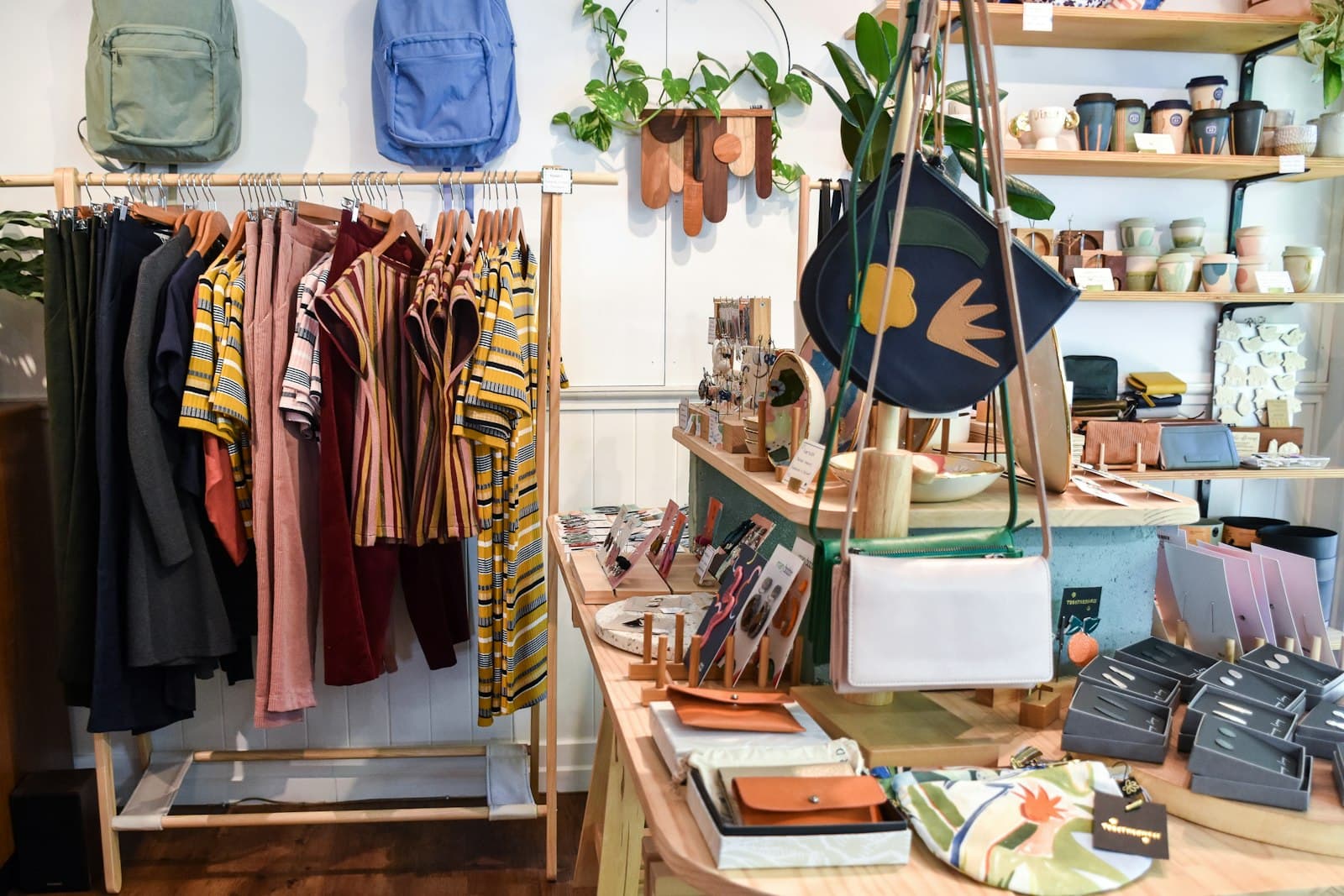
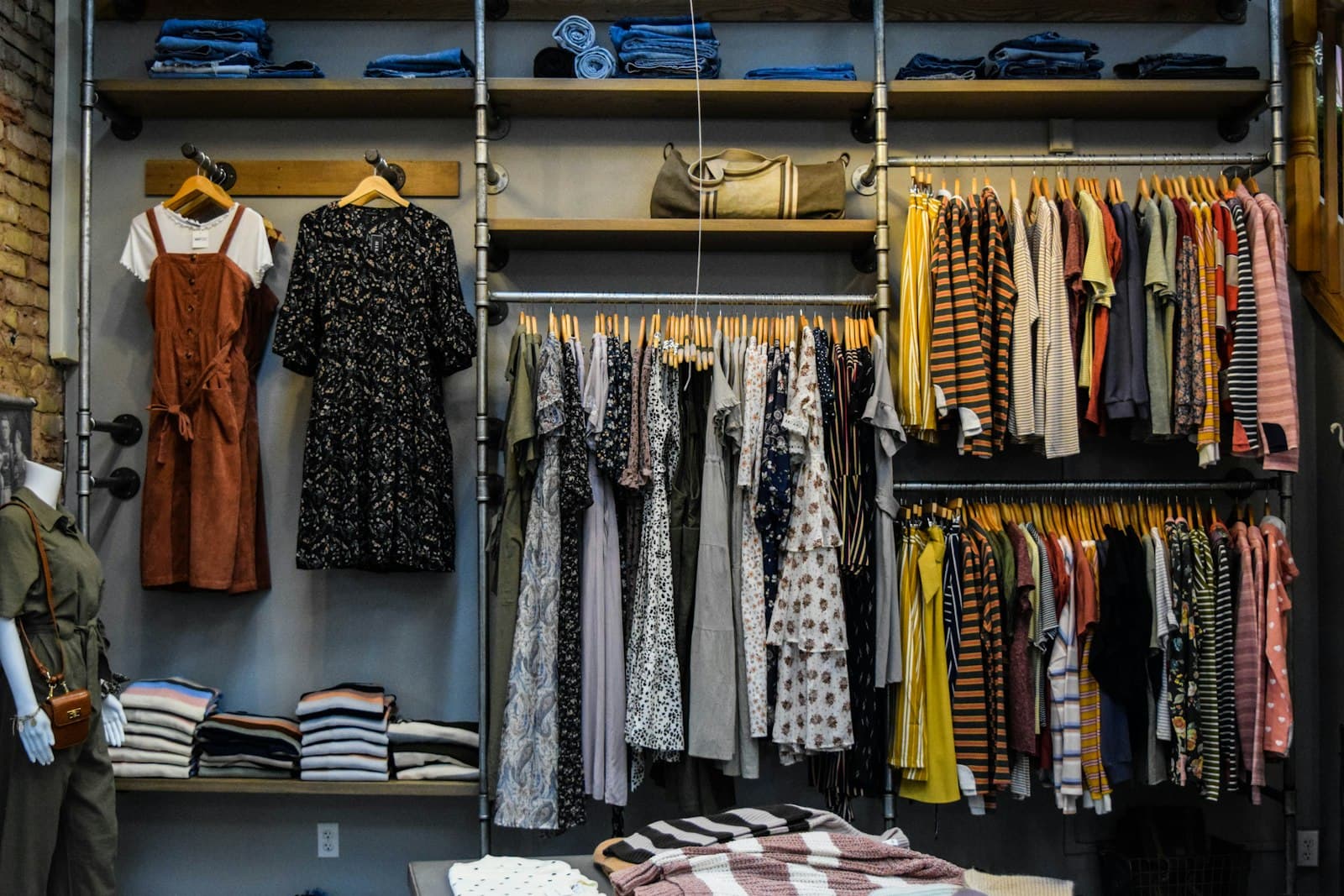
While trends are a tremendously important part of the fashion industry, photographers must know when to use a trend, modify a trend, or when a trend is plain old overdone. For example, stripes are a classic trend that is probably never going to fully disappear from the fashion scene but will merely evolve. If given striped clothing, what is the photographer going to do to make it seem new, edgy, and innovative? What creative angles can the photographer use to portray a traditional striped garment in an entirely new light?
A Fashion Photographer Is Primarily Responsible for Planning All of the Logistics
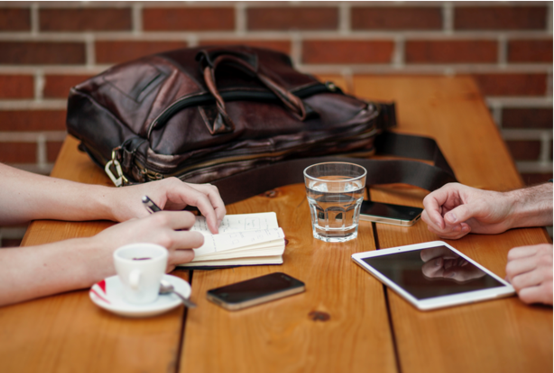
Here is a SHORT list of logistical responsibilities of the fashion photographer:
- Deciding on a time and location and obtaining the proper permits required to use it
- Travel arrangements for everyone involved with the production (if necessary)
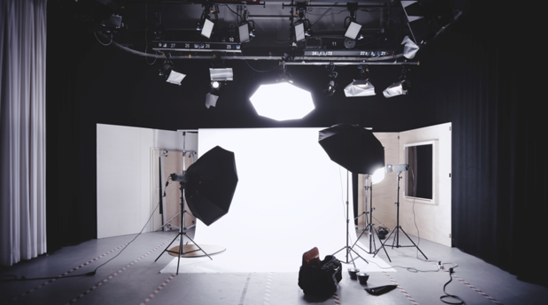
- Obtaining the proper lighting tools and electrical necessities as well as designing lighting concepts
- Hiring an entire crew (with the help of the top fashion recruitment agencies)
- Food and lodging for crew
- Creating a quickly executable back-up plan in case of extremely bad lighting or weather issues
- Making sure all garments are in the right hands and steamed and ready for the day of the shoot
- Anything and everything needed or necessary on the day of the shoot
A photographer must not forget about the details. Details. DETAILS.
It isn’t obvious to everyone how much works goes into creating a beautiful, marketable image. It’s more than just finding a pretty girl and a nice camera. From concept to execution, the fashion photographer is responsible for it all. This includes selecting a location, hair and makeup concept, and sometimes even adding accessories to the look being captured. This also includes forecasting which lenses to use for which looks. Every little detail is ultimately the responsibility of the photographer.
What Happens on the Day of the Shoot?

After the concept planning and sorting out the logistics, it’s time for the big day—The Lights! The Camera! The Action!—the photo shoot. What exactly does that look like for the photographer? Well, it depends on the exact shoot. But for the most part, it looks like this:
Making Sure Everyone Knows Their Role in the Process
Fashion photography is, no doubt, a team effort, so what makes it easier is when everyone on set knows what they are supposed to be doing. That way, the photographer can do what he or she does best—take photographs—and not have to worry about everything else going on. Most often, the crew doesn’t know each other because they were probably hired from various NY retail agencies, so introductions are important. Ensuring that everyone knows their purpose is ESSENTIAL.
Giving Lots and Lots of Direction
A good photographer will guide their model, but also give them freedom. Direct them, but also give them space to use their personal style, intuition, and energy. The directions that the photographer gives are mostly to bring out the best in the model, to help them know what they look like to the camera. A fashion photographer will direct the model to move their body in certain ways, change their attitude, use a prop differently, shift their attention, or evolve their energy.
Making the Most of a Location
While the photographer definitely has mapped out ideas of how to use the location beforehand, there is almost always some on-the-spot thinking and inspiration for new angles and fresh ways to shoot at the same location. One thing that photographers have to pay a special amount of attention to when shooting outside is when and how long they will have the best natural lighting. Any fashion photographer will tell you that when it comes to shooting outdoors, natural lighting will always reign supreme over artificial lighting, so use that stuff while you have it.
Post-Production

It’s not all artsy creative fun. There are some technical skills that fashion photographers must have or quickly obtain if they are going to be taken seriously as photographers or sought out by fashion employment agencies. Magazines have quickly become secondary to all digital media—and a lot more photographs are needed to fill the digital demand.
Editing the Best Shots
After the photos have been taken, it’s time to do the post-production work, which is just as, if not even more, important. Picking out the best shots and selecting which looks worked best is a very fun part of the photography process. Seeing the (almost) final product in front of you after so much planning and coordination is a photographer’s great reward. (Well, that and seeing their work on social media, in magazines, on billboards, etc.)
Optimizing Photos for Social Media
Now this isn’t always a part of the fashion photography process, as different brands ask for different types of content. But it is important that photographers know what the photos are intended for and where they will be shown primarily. Knowing whether your photo will be used for print or for digital platforms (or for both) is essential. Instagram, for example, has a different display of images than Facebook, Pinterest, or Twitter. A photographer who knows this will keep that in mind during the editing process and edit photos to fit the right social media avenue.

As you can see, while fashion photography may be a fun and exciting career, the fun and excitement doesn’t come without a lot of hard work, planning, and creativity. But the final result is almost always worth all of the time and effort.
Contact Us Today
Frequently Asked Questions About Fashion Photographers
What does a fashion photographer do?
A fashion photographer wears many hats and can be responsible for the entire creative process, from idea conception to editing. Many fashion brands and retailers only want photographers who can take control of the entire production process, not just take a decent picture. From concept to execution, the photographer is responsible for it all, including selecting a location and the hair and makeup concept.
What do fashion brands look for in a fashion photographer?
Fashion brands and retailers often look for photographers who shoot in a style similar to their brand identity but who can bring their ideas to the next level. Understanding the brand or retailer is critical, because each brand has its own personal image that the photographer must stay consistent with.
What logistics does a fashion photographer handle before a shoot?
A fashion photographer’s logistical responsibilities include deciding on a time and location for the shoot and obtaining the proper permits required to use it. The photographer also creates a quickly executable back-up plan in case of extremely bad lighting or weather issues.
How does a fashion photographer direct a model?
A good fashion photographer guides the model but also gives them space to use their personal style, intuition, and energy. The direction is mostly meant to bring out the best in the model and help them know what they look like to the camera. Photographers may direct models to move their body in certain ways, change their attitude, use a prop differently, or shift their attention.
What happens after a fashion photo shoot?
After the photos are taken, the photographer does the post-production work, which is just as important as the shoot, if not more. This includes picking out the best shots and selecting which looks worked best. Photographers also need to know whether photos are meant for print or digital platforms. Optimizing photos for social media isn’t always part of the process, since different brands ask for different types of content.
More from our recruiters
Let us help you.
Tell us a little about who you are and what you need.
Prefer the phone? (212) 575-5898 · Mon–Fri, 9:00am–6:00pm ET