
Visual Merchandising Director Hiring: 5 Key Mistakes
- By The Fashion Network
- Sep 1, 2026
Visual merchandising is where your product strategy meets the customer, and the person who leads it decides whether a carefully planned assortment actually sells on the floor. When a brand gets this hire right, stores look consistent, windows pull traffic, and the merchandising plan shows up in the room the way it was built on paper. When it gets the hire wrong, the damage is quiet at first: floor sets drift from door to door, guidelines go unread, and sell-through on key styles slips without anyone connecting it to presentation.
At The Fashion Network, we have recruited for fashion and retail companies from New York City since 2001, and we see the same pattern again and again. Founders and executives tend to hire for this role based on a beautiful portfolio, then discover they needed an operator who can lead a team, write a standard, and prove the work moved product. This post walks through what the role really covers, the five mistakes we see most often, and what a better search looks like from the hiring side. None of it requires guesswork if you know what to test for.
Key Takeaways
- A visual merchandising director owns how product is presented in stores, windows, shop-in-shops, and pop-ups, and the core output is the guideline store teams follow.
- Hiring a talented stylist or display artist for a leadership role often fails, because the job requires managing teams, budgets, and store accountability.
- Judge visual merchandising candidates on sell-through and commercial results rather than aesthetics alone, and ask how their presentation changes actually moved product.
- Test guideline writing and remote execution, and define whether the role covers your own stores, wholesale shop-in-shops, or a multi-door rollout.
- At The Fashion Network, we keep every visual merchandising search owner-led from start to finish and present only a short list of qualified candidates.
What a Visual Merchandising Director Actually Does
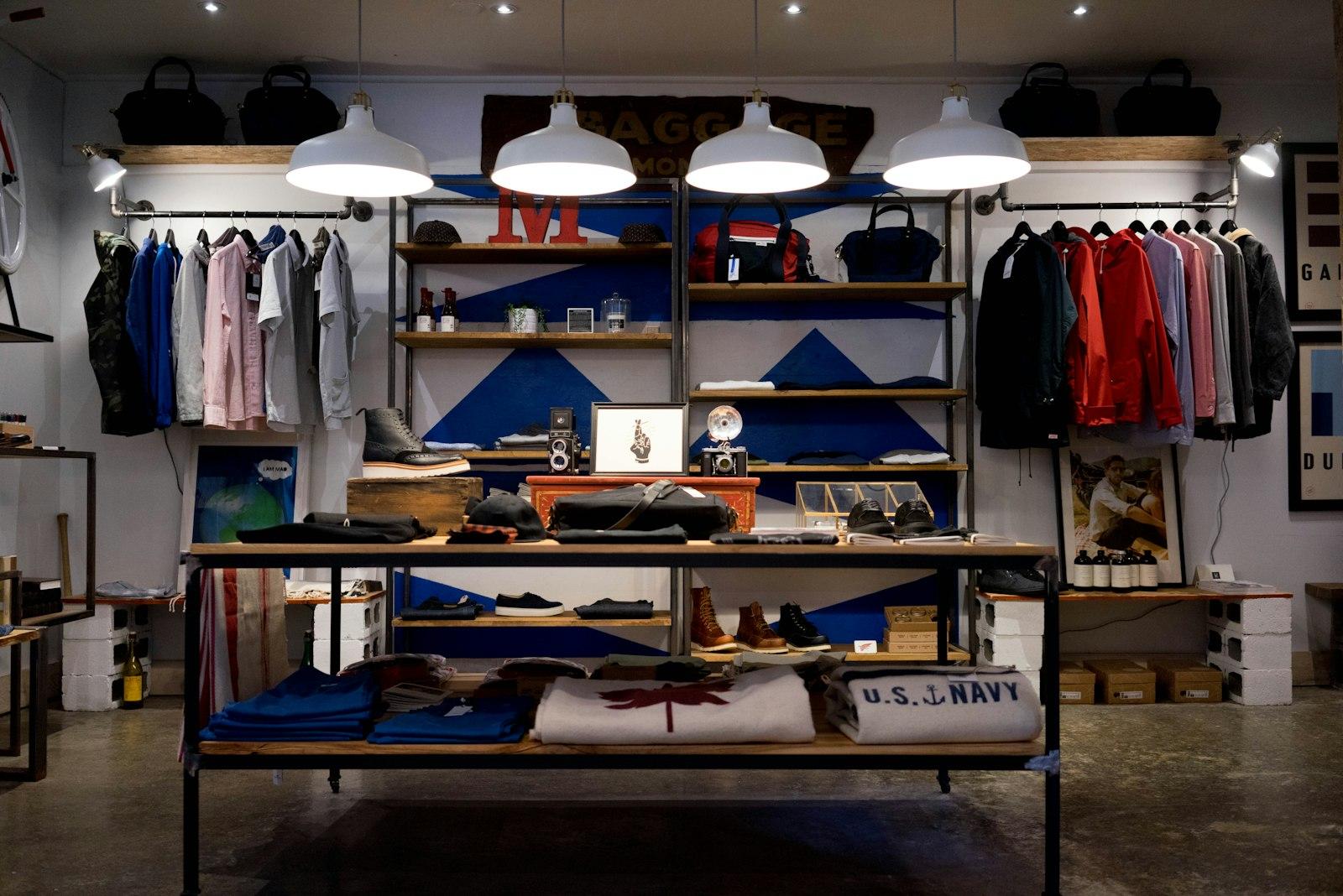
The director owns how product is presented everywhere the customer meets it in person: your own stores, windows, shop-in-shops inside wholesale partners, and pop-ups. That means setting the seasonal floor sets, deciding how collections are grouped and where the hero pieces live, and building the fixture and prop strategy that supports it all. This is a leadership job, not a styling job. The director sets the vision, but most of the work is making sure many people they will rarely see in person execute that vision correctly.
The core output is the guideline. A strong leader produces floor set directives, planograms, photo references, and window packages that store teams can follow without a phone call. They tie every presentation decision back to the merchandising plan and to sell-through, moving product forward when it performs and rethinking adjacencies when it does not. They also coordinate with e-commerce and photography so the story a customer sees on the site matches what they see when they walk in. The Bureau of Labor Statistics tracks merchandise displayers and window trimmers as their own occupation, which shows how distinct the hands-on craft is from the leadership layer above it.
This is also a different job from the merchandiser. A merchandiser plans the assortment: what to buy, in what depth, at what price, and when it lands. The presentation leader takes that assortment and decides how it is shown. The two roles work closely, and in smaller companies one person sometimes stretches across both, but hiring one when you need the other is a costly detour. If you are weighing the planning side of the house, our guide to merchandising director hiring covers that role in detail.

The 5 Most Common Visual Merchandising Hiring Mistakes
Most of the failed searches we hear about share a root cause: the company hired for the look of the work instead of the scope of the job. Here are the five mistakes that come up most often when founders and executives tell us about a presentation hire that did not work out. None of them are about talent. Each is a mismatch between what the business needs and what the hiring process measured, and each can be caught before an offer goes out. Use the list below as a screening checklist.
Mistake 1: Hiring a Stylist or Display Artist for a Leadership Role
Talented display artists and stylists build stunning windows. That does not make them ready to run a function. The leadership role asks someone to manage a team, hold regional and store staff accountable, manage budgets for fixtures and props, and present results to the executive team. A candidate whose career has been spent hands-on in one store or on shoots may never have written a guideline someone else had to follow, managed a field team, or been measured on sales. In interviews, ask who reported to them, how they handled a store that kept missing the standard, and what they changed when a floor set underperformed.
Mistake 2: Hiring Single-Flagship Experience for a Multi-Door Rollout
A flagship is its own world. It usually has a dedicated team on site, a bigger budget, and the leader standing in the room. Rolling a floor set across a fleet of doors is a different discipline. Stores differ in footprint, fixture packages, ceiling heights, traffic patterns, and staff experience, and the standard has to flex without losing its intent. If your brand is opening doors or already operates a fleet, look for someone who has scaled presentation across locations, adapted a single concept to different spaces, and built the communication rhythm that keeps every store aligned with the plan.
Mistake 3: Judging the Work on Aesthetics Instead of Sell-Through
It is easy to fall in love with a portfolio. The harder question is whether the work sold anything. A strong candidate should talk comfortably about sell-through, how they used selling reports to adjust adjacencies, which styles they pushed forward when they were trending, and how they partnered with planning to protect margin. If every answer is about mood and inspiration and none is about results, you are looking at a creative who has not yet been accountable for the business side. Beautiful and commercial are not opposites, but for a leadership hire you need proof of both.
Mistake 4: Not Testing Guideline Writing and Remote Execution
The real product of this role is a document that a store manager several states away can open and execute correctly. Many hiring processes never test for it. Ask to see actual floor set guidelines, window packages, or directives the candidate wrote, not just the finished photos. Ask how they audited compliance, how stores sent back photos, and how they corrected a set remotely. You can also give finalists a focused exercise: a sample assortment and a fixture plan, with a request to write the directive. How clearly someone communicates on paper tells you a great deal about how your stores will look.
Mistake 5: Not Clarifying Wholesale Shop-in-Shop Versus Own-Store Scope
Presenting product in your own stores and presenting it inside a department store or wholesale partner are very different jobs. In a shop-in-shop, the leader works within the partner’s rules, negotiates space and fixtures, trains staff who do not work for you, and protects the brand in an environment you do not control. In your own stores, they control the whole space but also carry the full operational load. If you do not define which of these the role covers, and how much of each, you will attract candidates who fit only half the job. Write the scope down before the search begins.
What a Better Visual Merchandising Search Looks Like
A better search starts with the business problem, not the title. Are you opening doors and need someone to build a scalable standard? Are you growing wholesale and need someone who can win and hold space inside partners? Do your stores look inconsistent while sell-through stays soft? Each answer points to a different profile. Define the channels in scope, the type of doors, the size of the team, who the role reports to, and how success will be measured. That clarity helps you compare candidates, and it makes the right people far more interested in the conversation.
Next, evaluate both halves of the role on purpose. Review the portfolio, but also review the guidelines behind it. Ask for examples where a presentation change moved a result, and listen for specifics about selling reports and partnership with planning, buying, and store operations. Probe how they lead people they do not see every day, how they train store teams, and how they handle a regional leader who pushes back. Ask how they work with e-commerce and photography so the in-store story lines up with the site. The strongest candidates answer these questions with ease because they live them.
Finally, keep the process tight and focused. Strong presentation leaders are usually employed, respected internally, and selective about their next move. They respond to companies that know what they want, make decisions, and can explain the opportunity clearly. A long list of loosely matched resumes slows everyone down and makes it harder to compare people fairly. A short list of candidates who already fit the scope, channel mix, and level lets you spend interview time on the differences that matter: leadership style, commercial judgment, and how each person would approach your specific stores.

How We Approach Visual Merchandising Hiring at The Fashion Network
At The Fashion Network, every search is led by our owner from start to finish. There are no junior recruiters and no hand-offs, so the person who learns your brand, your stores, and your goals is the same person who screens and presents every candidate. That continuity means nothing gets lost between the first conversation and the short list. We have been recruiting in fashion since 2001, from assistant to VP, across apparel, accessories, swim, beauty, home goods, private label, wholesale, and luxury. Our retail recruiting work focuses on corporate and retail leadership. We are not a retail staffing agency.
What you get is a short list, not a stack of resumes. We only present qualified candidates, people we have vetted for leadership ability, multi-door or wholesale experience as your scope requires, and a track record tied to sell-through. Before the search starts, we help you define the role clearly, and our library of fashion job descriptions is a useful starting point if you are drafting the posting yourself. If the hire you actually need sits closer to the planning side, our page on merchandiser recruiting explains how we approach that role as well.
Our model is contingency based. You pay when we place, with no retainer and no upfront fee, and a guarantee stands behind every placement. We are based in New York City and recruit nationwide, with markets in Los Angeles, Miami, Chicago, and Fort Lauderdale. We work with small and independent brands as well as larger companies, from the moderate market to luxury. Whether you are building your first presentation function or replacing a leader across a growing fleet, we would be glad to talk through the search with you. We will also give you an honest read on how candidates will view your opportunity.
Frequently Asked Questions About Visual Merchandising
What does a visual merchandiser do?
This person sets up displays, windows, tables, and floor sets in a store so product is easy to find and appealing to buy. They follow brand guidelines, refresh mannequins and tables as new product arrives, move styles based on sales, and keep the space looking current. It is the hands-on side of visual merchandising. In a larger company, they usually report to a regional or corporate leader who writes the standards they execute. The strongest people in this role understand both the look of the store and how presentation drives what sells. Many leaders in the field started here, on the floor.
What is the difference between a merchandiser and a visual merchandiser?
A merchandiser decides what product the business carries: the assortment, the depth, the pricing, and the timing of deliveries. Visual merchandising decides how that product is shown to the customer in stores, windows, shop-in-shops, and pop-ups. The merchandiser works from sales data and the financial plan, while the presentation team works from the floor and the guideline. The two have to collaborate closely, because a well-planned assortment can still underperform when it is presented poorly, and a beautiful floor cannot fix the wrong product. In smaller brands, one person sometimes covers parts of both jobs.
What does a visual merchandising director do?
This leader owns presentation strategy across every physical channel. They set seasonal floor sets, write the guidelines and window packages that store teams follow, manage the fixture and prop strategy, and audit execution across doors. They connect presentation decisions to sell-through and the merchandising plan, and they partner with planning, buying, and store operations. Increasingly, they also align in-store presentation with e-commerce and photography. In brands with wholesale distribution, they may manage shop-in-shop presentation inside partner stores as well, which calls for strong negotiation and training skills. It is a leadership role measured on results, not only on how the stores look.
What skills should a visual merchandiser have?
Look for a strong eye for color, proportion, and product storytelling, paired with practical skills: reading a floor plan, working with fixtures, and executing a guideline accurately. The best people also understand selling reports and can explain why they moved a style. At the leadership level, add clear written communication, team management, budget control, and the ability to train and correct stores remotely. Comfort working with e-commerce and photography teams is increasingly valuable as brands align the in-store and online experience for the customer. Ask to see their work, including the written guidelines behind the photos.
What are the red flags when hiring a VM director?
Watch for a portfolio full of finished photos but no guidelines the candidate wrote themselves. Be cautious if they cannot discuss sell-through or describe a time a presentation change moved results. Experience limited to a single flagship is a concern if you operate or plan to open many doors. Vague answers about managing field teams, auditing compliance, or working inside wholesale partners are another warning sign. Finally, be wary of candidates who describe the role only in creative terms and never mention the merchandising plan. Any one of these alone deserves a follow-up question before you move forward.
More from our recruiters

Let us help you.
Tell us a little about who you are and what you need.
Prefer the phone? (212) 575-5898 · Mon–Fri, 9:00am–6:00pm ET