Knitwear Designer Hiring: 5 Key Mistakes
- By The Fashion Network
- Sep 8, 2026
Hiring a knitwear designer looks straightforward until the first factory swatches arrive too heavy, with the wrong hand, or shrinking out of spec after a wash test. Knitwear is not simply sketched and cut. It is engineered from the yarn up, and the person you hire either understands that engineering or learns it on your production calendar, with your margin and your delivery dates absorbing the lessons. By the time the problem is visible, the season is usually committed, the yarn is usually booked, and the fix is usually expensive.
At The Fashion Network, we have recruited for fashion companies since 2001, and knit searches are among the hires we see misjudged most often. Founders and executives tend to evaluate knit talent the way they evaluate any designer: portfolio first, technical depth second, if at all. Below, we cover what the role actually involves, the five mistakes that cause the most damage, and what a stronger search looks like from the first conversation through the offer. The goal is simple: help you hire someone who can deliver a knit line that looks right, fits right, and costs what you planned.
Key Takeaways
- A knitwear designer creates the fabric and the garment at the same time, choosing the yarn, gauge, and stitch structure that determine drape, fit, and cost.
- Hiring a wovens designer to design sweaters is a common mistake, because wovens designers select finished fabrics while knit designers build the fabric itself.
- Judge candidates on knit technical knowledge rather than sketches, and ask them to walk through a physical swatch they developed and why they chose that gauge.
- Fully-fashioned sweaters and cut-and-sew knits are different jobs, and a strong knitwear designer also understands yarn sourcing, factory swatching, yarn cost, and minimums.
- At The Fashion Network, we have the owner lead every knit search from start to finish and present a short list, not a stack of resumes.
What a Knitwear Designer Actually Does
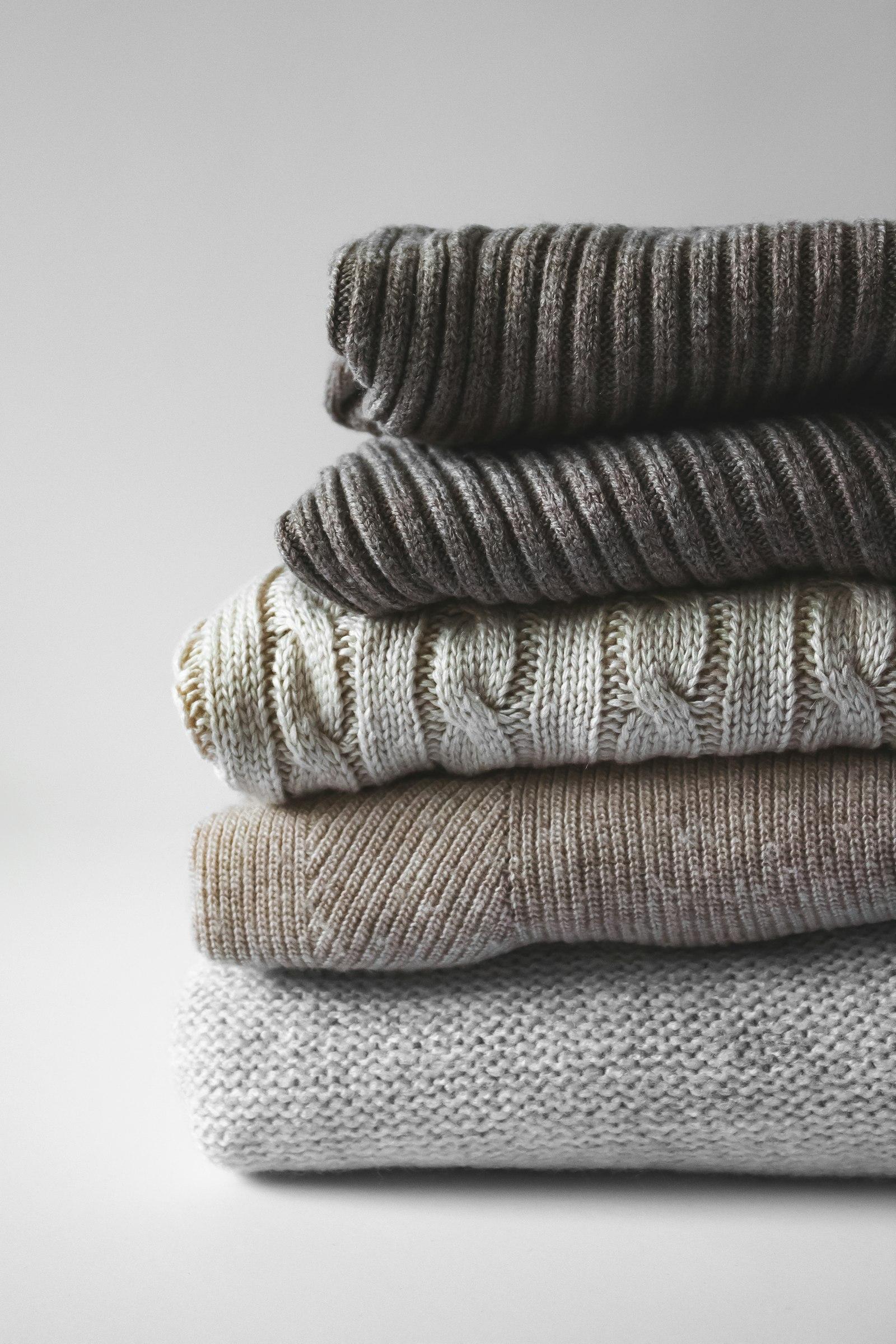
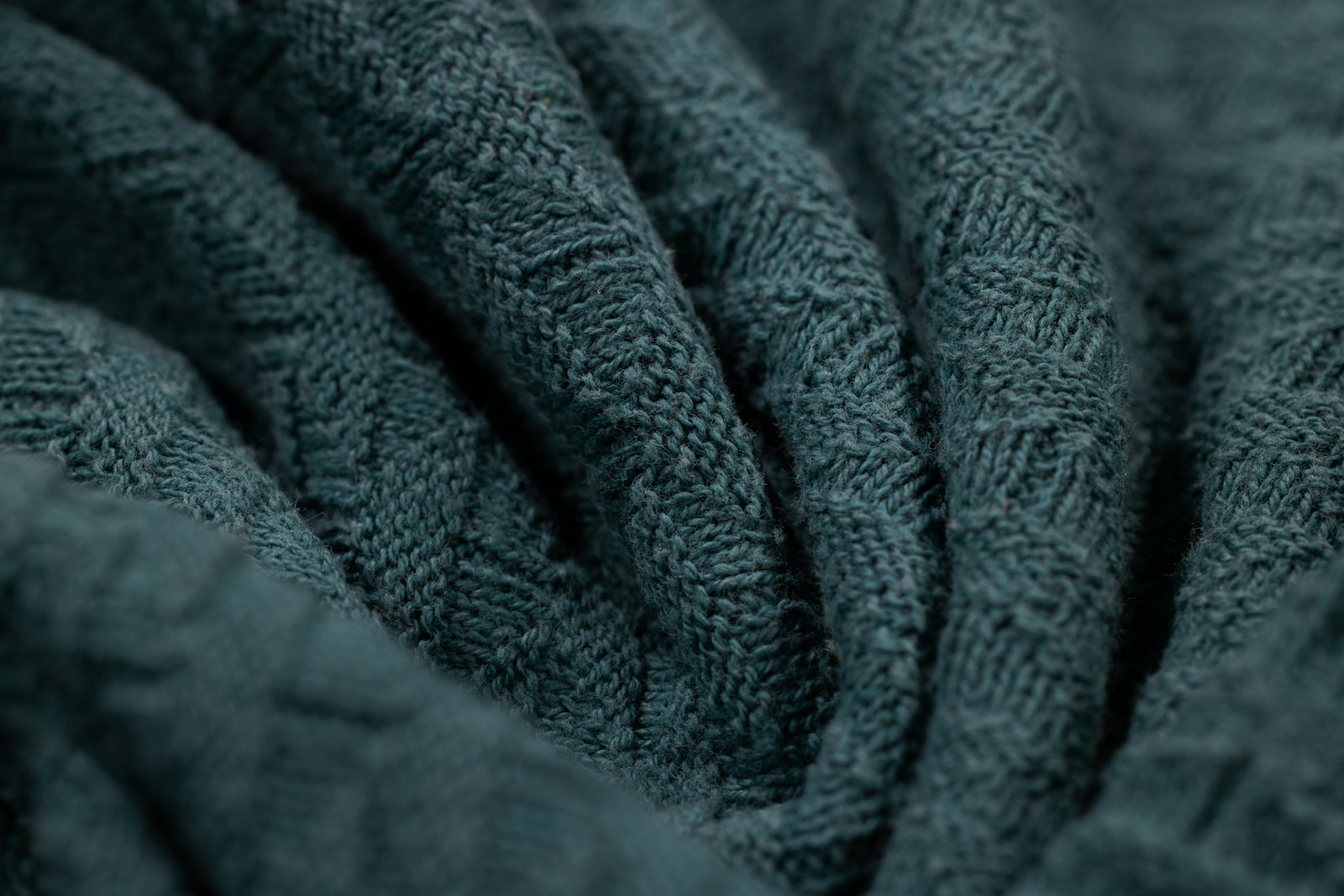
A knit designer creates the fabric and the garment at the same time. In wovens, a designer typically chooses a fabric that already exists, then cuts and sews it into a silhouette. In knits, the designer decides the yarn fiber, the yarn count, the gauge, and the stitch structure, and those choices determine how the finished piece drapes, stretches, recovers, and wears. The fabric is the design. A cable, a rib, a jacquard, a pointelle, or a plain jersey stitch each changes the weight, the cost, and the fit before a sketch is ever final.
Day to day, the role covers trend and color direction, yarn selection with spinners and suppliers, swatch development with factories, and tech packs that carry stitch, gauge, and tension detail alongside measurements. Strong knit designers also understand machine capability: flat knitting versus circular knitting, fully-fashioned shaping versus cut-and-sew construction, and what a given factory can realistically produce at the quality you need. They manage fit and shrinkage behavior through washing, finishing, and pressing, which is exactly where many knit programs quietly fail after a promising first sample. A designer who has lived through those failures knows how to prevent them on the next program.
The U.S. Bureau of Labor Statistics profiles fashion designers as one broad occupation, and knitwear sits inside that general category alongside every other kind of apparel and accessories design. That broad label is part of the hiring problem. A title on a resume tells you very little about whether someone can take a sweater from yarn to bulk production. For a founder or executive hiring this role, the distinction that matters is between designers who decorate knit silhouettes and designers who can actually engineer knit fabric. The first group can make a line look good on a mood board. The second group can make it work in production.
The 5 Most Common Knitwear Designer Hiring Mistakes
Most of these mistakes share a root cause: treating knitwear as a style category instead of a technical discipline. When a company hires for knits the same way it hires for everything else, it tends to end up with a capable designer who is a poor match for the actual work. Here is where we see searches go wrong most often, and what to look for instead. None of these mistakes is unusual, and none of them means the hiring team lacked judgment. They happen because knit expertise is hard to see on paper and easy to assume from a polished portfolio.
Mistake 1: Hiring a Wovens Designer to Design Sweaters
A talented wovens designer can have an excellent eye for silhouette, proportion, and color, and still struggle with sweaters. Wovens designers select finished fabrics from mills. Knit designers build the fabric itself, stitch by stitch. As we point out in our guide to technical designer hiring, knits and wovens are different disciplines, and the same is true on the design side. A wovens designer can learn knits, but they will be learning on your season. In interviews, listen for whether a candidate talks about choosing fabric or about developing yarn, stitch, and gauge.
Mistake 2: Judging Sketches Over Knit Technical Knowledge
Sketches and mood boards are the easiest part of a knit portfolio to evaluate and the least predictive of success. A sketch of a cable crewneck tells you nothing about whether the designer knows which gauge will carry that cable, which yarn will hold stitch definition, or how the body will grow after washing. Ask candidates to walk you through a physical swatch they developed. Ask why they chose that gauge, what changed between the first and final swatch, and what they did when a yarn was discontinued mid-season. Real knit people answer those questions easily, specifically, and without reaching for buzzwords.
Mistake 3: Treating Fully-Fashioned Sweaters and Cut-and-Sew Knits as the Same Job
Fully-fashioned sweaters are knit to shape on flat machines, with panels shaped by adding and dropping stitches, then linked together. Cut-and-sew knits start as rolled fabric, usually from circular machines, and are cut and sewn much like a woven. These involve different factories, different tech packs, different fit problems, and different costing logic. A sweater designer from a fully-fashioned background may never have managed jersey torque, fabric finishing, or cut-and-sew shrinkage. A jersey and loungewear specialist may never have specified a rib transition or a linking detail. Decide which you need before you start interviewing.
Mistake 4: Ignoring Yarn Sourcing and Factory Swatching Experience
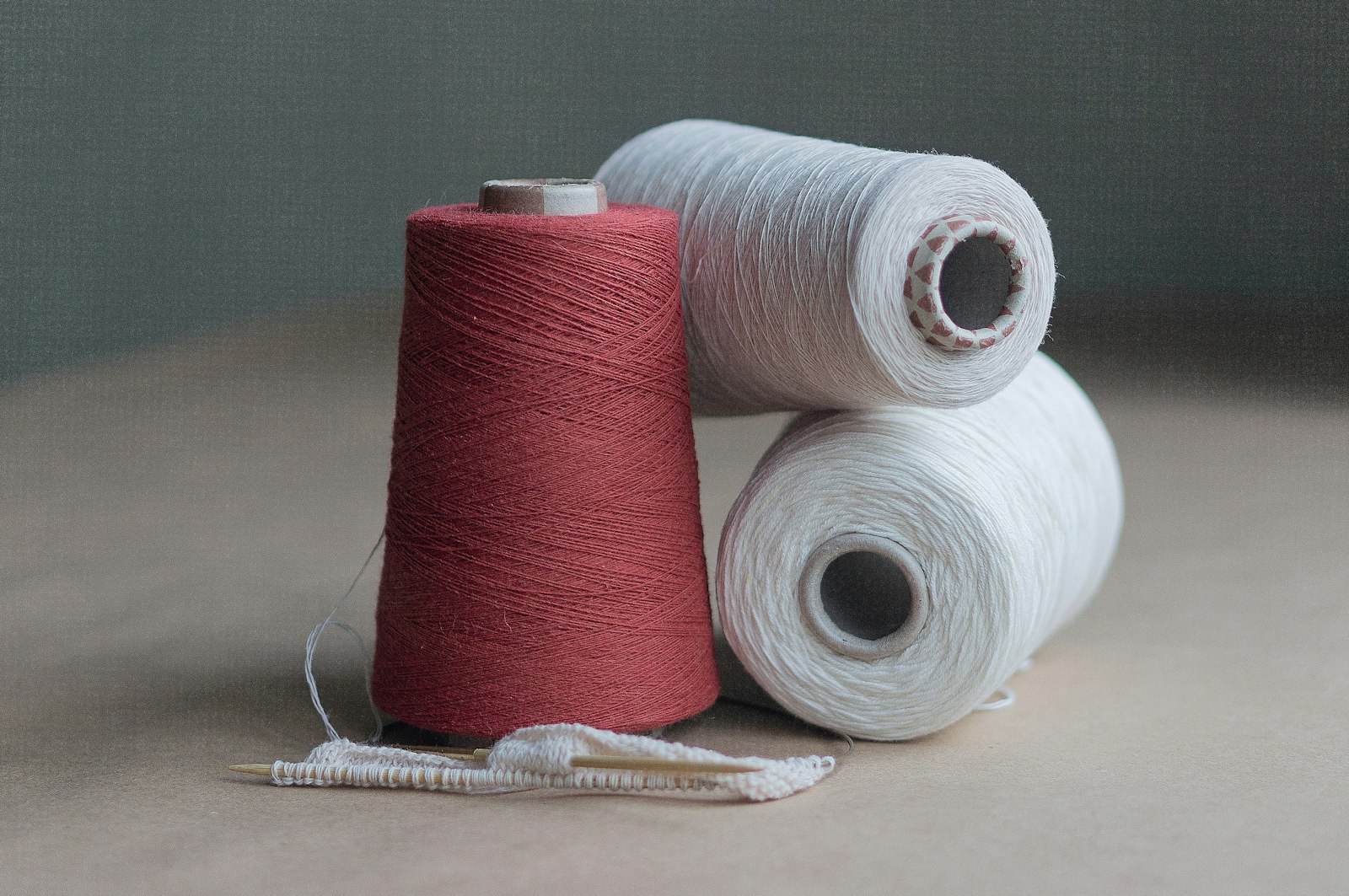
Great knit product starts long before the tech pack. It starts with conversations with spinners and yarn suppliers about fiber, count, twist, and color, then continues through rounds of swatching with factories until the hand, weight, and stitch look right. Some candidates have spent their careers receiving finished swatches from a sourcing team and simply approving or rejecting them. That can work inside a large company with deep support. At a smaller or independent brand, it usually does not. Ask who the candidate worked with directly, how they communicated corrections, and how they handled yarn color approvals.
Mistake 5: Overlooking Yarn Cost and Minimums
Yarn carries its own economics. Custom yarns and custom colors often come with minimums by color and by dye lot, while stock-service yarns trade some flexibility for lower commitments. A designer who builds a line around many colorways in custom yarn can create a costing and inventory problem that no one notices until purchase orders go out. The strongest candidates design with the yarn program in mind. They consolidate yarns across styles, know when a stock-service option will do the job, and can explain how a stitch or gauge choice changes yarn consumption and, with it, the cost of the garment.
What a Better Knitwear Designer Search Looks Like
A better search starts with a clear definition of the product, not just the title. Are you developing fully-fashioned sweaters, cut-and-sew knits, or both? Which gauges, from fine to heavy? Which fibers, from cotton and merino to cashmere and blends? Which market, from moderate to luxury? Which factories and countries of production? Those answers shape the candidate profile far more than a list of software skills. A focused job description that reflects real knitwear design work attracts the right people and screens out the wrong ones before anyone schedules an interview.
The interview process should test knit fluency directly. Ask candidates to bring swatches and a tech pack they built, and have them walk through their stitch, gauge, and measurement decisions. Talk through a program that went wrong: a shrinkage issue, a pilling complaint, a fit problem after finishing. How they diagnose the problem tells you more than how they present a finished line. If you have a technical designer or production lead, put that person in the room. They will hear gaps that a purely creative review can easily miss.
Finally, look at how the candidate fits the way your team actually works. A designer coming from a large company may be used to a full support structure of technical designers, sourcing teams, and merchandisers. A designer coming from a small brand may be used to doing nearly all of it alone, including sourcing and factory follow-up. Neither is better in the abstract. What matters is the match between the person and your business. The goal is a short list of people who can do your specific work, not a pile of resumes with the word knit somewhere on the page.
How We Approach Knitwear Designer Hiring at The Fashion Network
At The Fashion Network, every search is led by our owner from start to finish. There are no junior recruiters and no hand-offs. That matters in knits, because the screening conversation is where most of the value is created. Deep experience in apparel recruiting makes it possible to tell quickly whether a candidate truly understands gauge, stitch structure, and yarn behavior, or is simply reciting vocabulary. We have been recruiting since 2001, and 25 years in this business has taught us how to hear that difference in a single conversation.
We present a short list, not a stack of resumes. Only qualified candidates reach you, which means each person has already been vetted for the right construction background, whether fully-fashioned, cut-and-sew, or both, along with yarn sourcing and factory swatching experience. We recruit from assistant to VP, so the same discipline applies whether you need an assistant who can manage swatch tracking or a senior leader who can run an entire knit category. If you are still shaping the role, our fashion job descriptions and our apparel designer page are useful starting points.
Our model is contingency based. You pay when we place, with no retainer and no upfront fee, and a guarantee stands behind every placement. We are based in New York City and recruit nationwide, with markets in New York City, Los Angeles, Miami, Chicago, and Fort Lauderdale. We work with small and independent brands as well as larger companies across apparel, textiles, accessories, private label, wholesale, and retail, from the moderate market to luxury. If you are hiring for knits and want a search built around the technical side of the role, we would be glad to talk it through.
Frequently Asked Questions About Knitwear Designer Hiring
What does a knitwear designer do?
A knitwear designer creates knit garments by developing the fabric and the design together. That includes choosing yarn fiber and weight, setting the gauge, selecting stitch structures, and working with factories on swatches until the hand and appearance are right. The role also covers tech packs with stitch and gauge detail, fit sessions, and managing how a garment behaves through washing and finishing. Depending on the company, the work may focus on fully-fashioned sweaters, cut-and-sew knits, or both, and it often includes yarn sourcing and cost management. In smaller companies, the same person may also handle factory follow-up and approvals.
What is the difference between a knitwear designer and a sweater designer?
The terms overlap, but they do not always describe the same job. A sweater designer usually focuses on flat-knit, fully-fashioned product such as pullovers, cardigans, and knit accessories, where panels are knit to shape and then linked together. Knitwear is a broader category that can also include cut-and-sew jersey, circular knits, knit dresses, and loungewear. When hiring, ask which construction methods a candidate has actually worked in, because experience in one area does not automatically transfer to the other. A sweater specialist and a jersey specialist can both be excellent and still be the wrong fit for each other’s roles.
What skills does a strong knit designer need?
The core skills are technical: understanding yarn fiber and count, choosing gauges, building stitch structures, and writing tech packs that factories can follow. A strong candidate can read a swatch, explain how a stitch choice affects weight and stretch, and anticipate shrinkage and growth after finishing. Beyond that, look for factory communication skills, yarn sourcing experience, and cost awareness around minimums and dye lots. Creative direction and trend sense matter too, but in knitwear design they work best when built on that technical foundation and paired with a clear point of view.
Do knit designers need to know knitting machines and gauges?
Yes. A knitwear designer does not need to program machines, but they do need to understand what the machines can and cannot do. That means knowing the difference between flat and circular knitting, which gauges suit which yarns and stitches, and how the equipment at a given factory limits or enables a design. Without that knowledge, designs get sent back as impossible, too costly, or simplified in ways that change the look. Gauge fluency is one of the clearest signs of a qualified candidate, and it is easy to test in a conversation.
What are the red flags when hiring for knitwear?
Watch for candidates who talk only about silhouettes and color and cannot explain their gauge, stitch, or yarn choices. Be cautious if they have never worked directly with factories on swatches, or if every swatch in their portfolio arrived finished from someone else. Vague answers about shrinkage, fit after washing, or yarn minimums are another warning sign. Finally, be careful with portfolios that mix knit and woven work without clarity about who did the knitwear design. Ask specific questions and expect specific answers, ideally with swatches in hand.
More from our recruiters
Let us help you.
Tell us a little about who you are and what you need.
Prefer the phone? (212) 575-5898 · Mon–Fri, 9:00am–6:00pm ET